

The Things We Do When No One Is Watching
Parshas Ki Seitzei is filled with mitzvos that govern the moments few people ever see: returning lost property, paying workers on time, maintaining honest measures, preventing danger, protecting dignity, and leaving something behind for another person. As Elul approaches, the parsha asks a quieter question than whether we have performed great mitzvos or committed great sins: Who are we becoming in the hundreds of ordinary moments nobody else records?
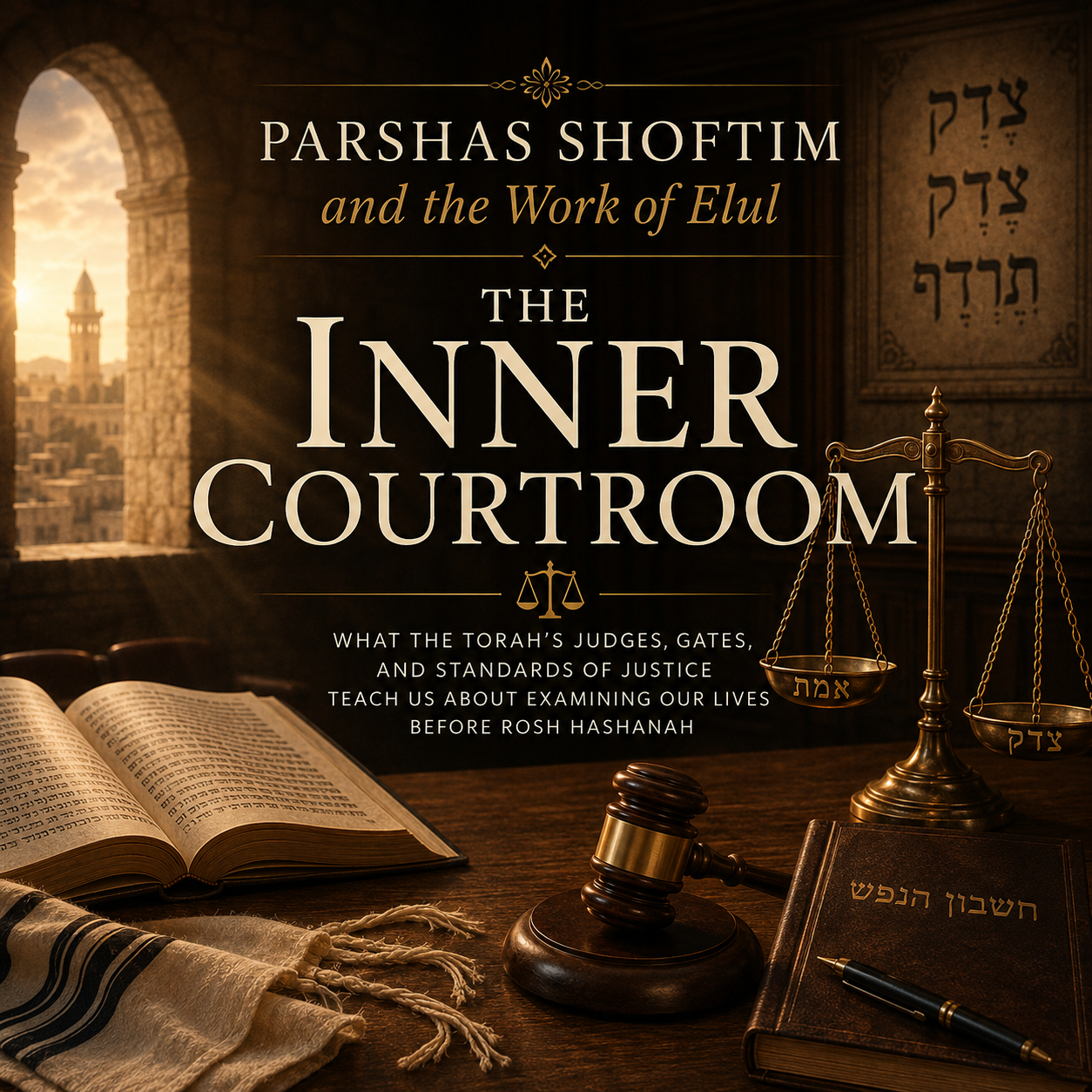
The Inner Courtroom: Parshat Shoftim and the Work of Elul
Parshas Shoftim opens with a command to appoint judges and officers at every gate. As Elul begins, those words take on a deeply personal meaning. What happens when the courtroom moves inward? Through Gemara, Midrash, and classical Torah sources, we explore how honest judgment, guarded gates, careful self-examination, and teshuvah can prepare us to stand before Hashem on Rosh Hashanah.
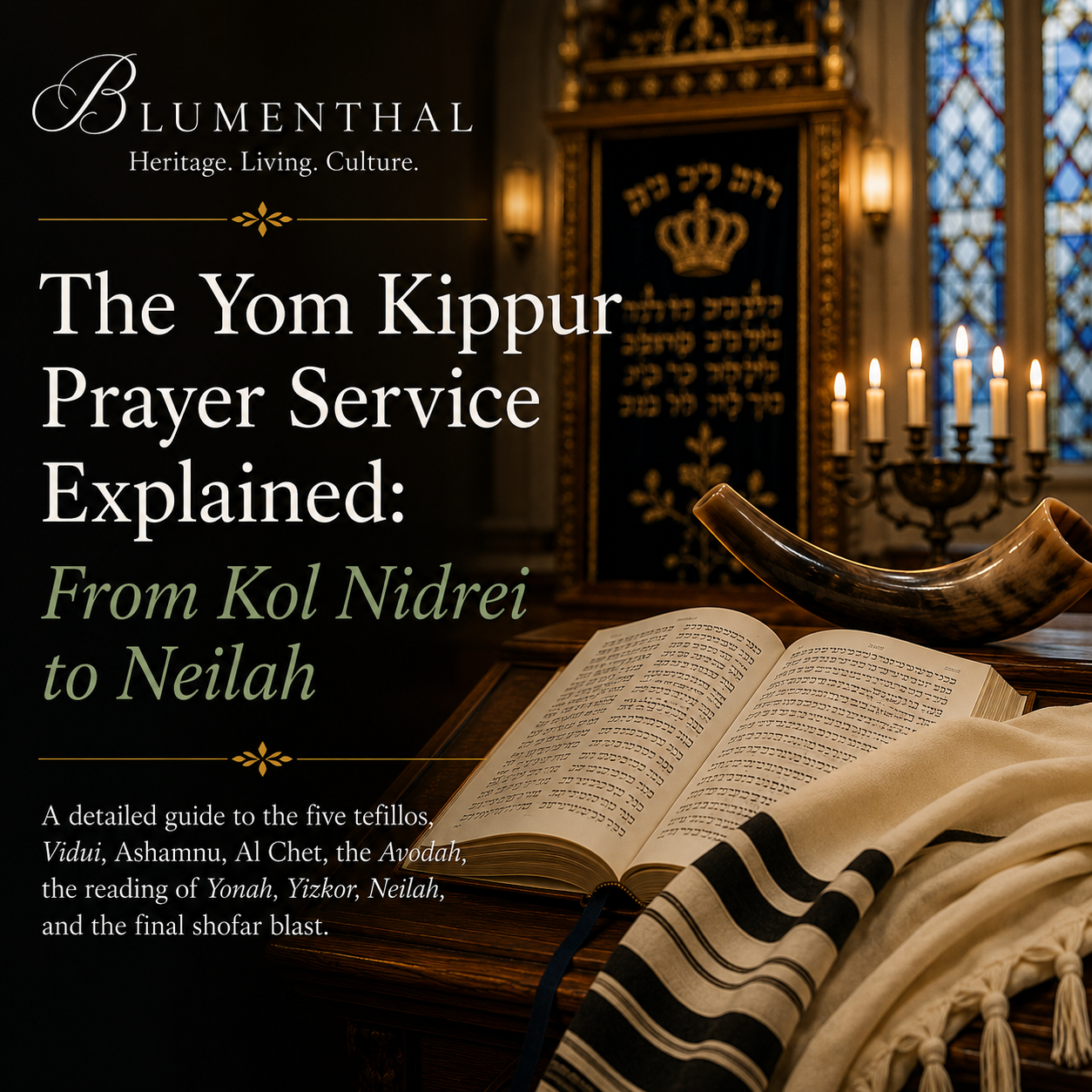
The Yom Kippur Prayer Service Explained: From Kol Nidrei to Neilah
From Kol Nidrei at sunset to the final shofar blast after Neilah, the Yom Kippur prayer service guides the Jewish people through confession, remembrance, teshuvah, and renewed closeness to Hashem. This detailed guide explains the five tefillos, Vidui, Ashamnu, Al Chet, Yizkor, the Avodah, Sefer Yonah, Neilah, and the meaning of the day’s final declarations.
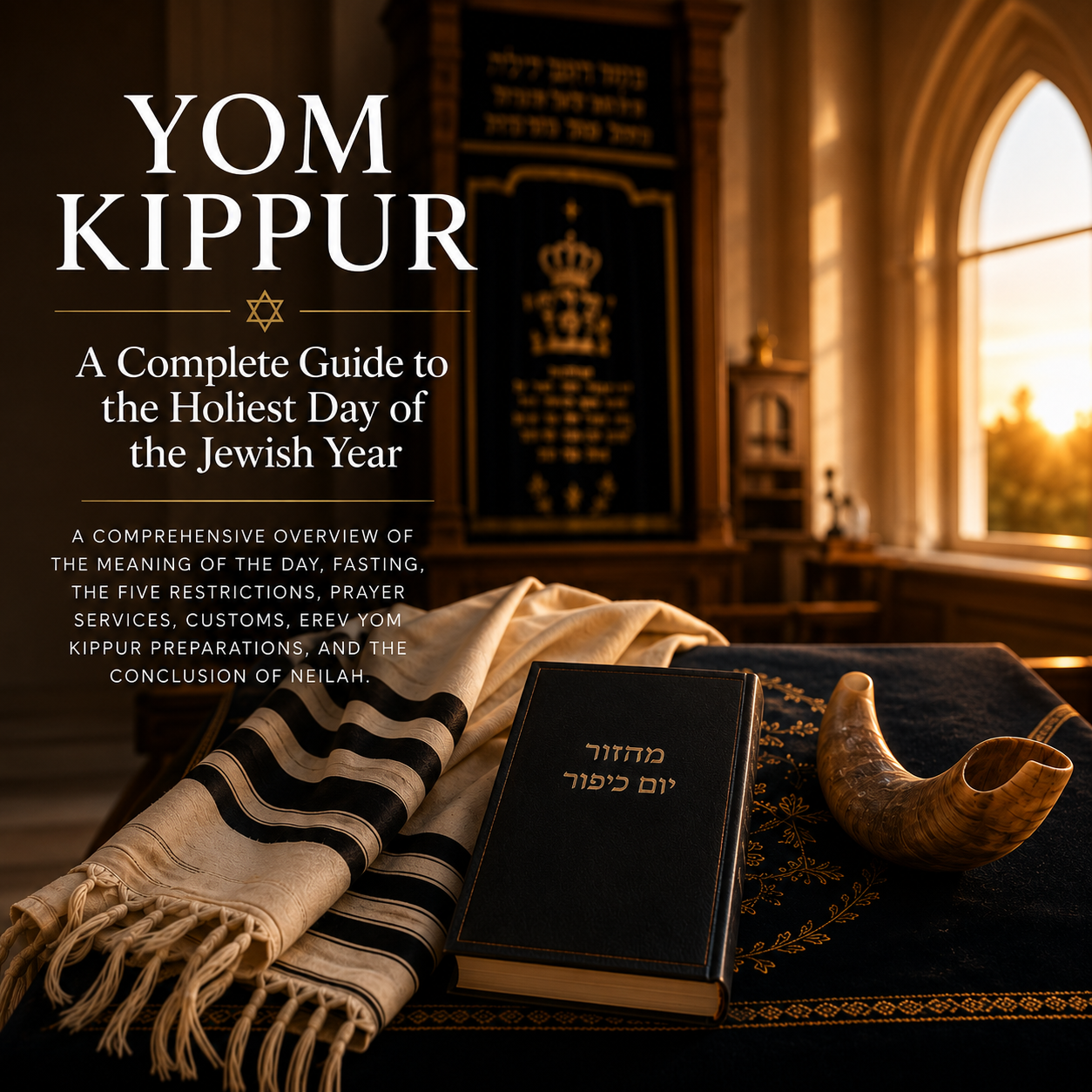
Yom Kippur: A Complete Guide to the Holiest Day of the Jewish Year
Yom Kippur is the holiest day of the Jewish year—a sacred time for fasting, prayer, confession, forgiveness, and return. This complete guide explains the meaning of the day, the five restrictions, Erev Yom Kippur preparations, Kol Nidrei, the five prayer services, Vidui, Yizkor, the Avodah, the Book of Yonah, Neilah, and the final shofar blast.
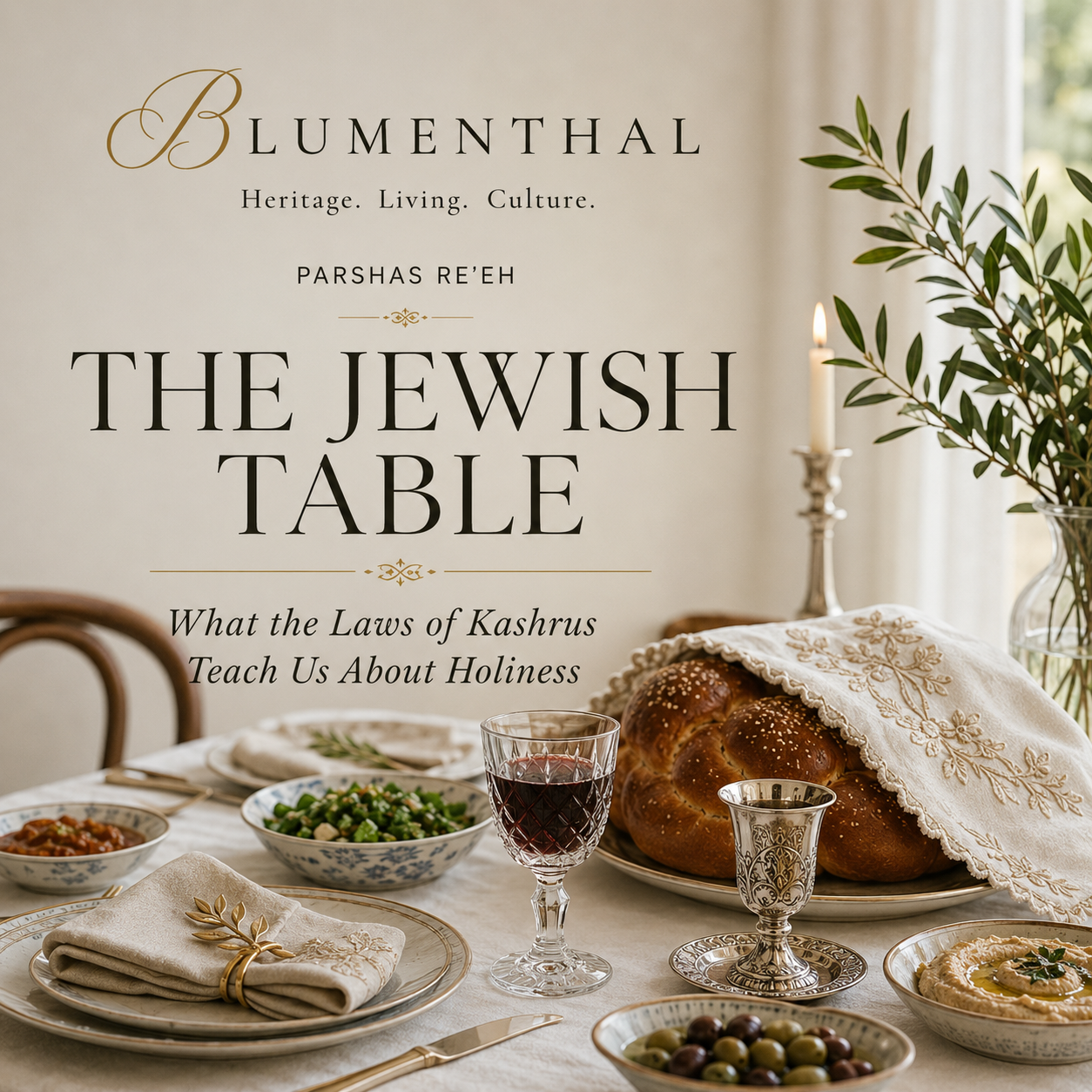
Parshas Re’eh - The Jewish Table: What the Laws of Kashrus Teach Us About Holiness
In Parshas Re’eh, the Torah introduces the laws of kashrus by reminding us that we are a holy people. These laws are not merely a list of foods we may and may not eat. They teach us to pause before satisfying desire, distinguish between what is permitted and forbidden, receive the physical world with gratitude, and bring our relationship with Hashem into the most ordinary parts of daily life.
Before Yom Kippur: How to Ask for Forgiveness and Make Things Right
Yom Kippur can atone for sins between a person and Hashem, but repairing harm done to another person requires more. This practical guide explains how to ask for mechilah, give a sincere apology, make restitution, respect boundaries, and begin restoring damaged relationships before the fast.
How to Do Teshuvah: The Rambam’s Four Steps of Returning to Hashem
Teshuvah is not simply a feeling of guilt—it is a practical process of returning to Hashem. Drawing on the Rambam’s Hilchos Teshuvah, this guide explains the four essential steps: recognizing and leaving wrongdoing, experiencing honest regret, confessing before Hashem, and making a sincere commitment to change. It also offers practical guidance for repairing harm, creating safeguards, and beginning again after a setback.
A Complete Guide to the Aseres Yemei Teshuvah - The Ten Days of Repentance
The Aseres Yemei Teshuvah are far more than the days separating Rosh Hashanah and Yom Kippur. They are a sacred period of prayer, judgment, reflection, reconciliation, and return. This complete guide explores the meaning of the Ten Days of Repentance, the changes made to daily prayers, the customs of Shabbos Shuvah and Erev Yom Kippur, and practical ways to approach teshuvah with honesty, hope, and purpose.
The Land That Teaches Us to Bless
Parshas Eikev teaches that gratitude is not reserved for moments of abundance. Through the seven species, the mitzvah of Birkat Hamazon, and the unique dependence built into life in Eretz Yisrael, the Torah reveals how food, land, and blessing deepen the Jewish people’s relationship with Hashem—even when the portion before us is small.
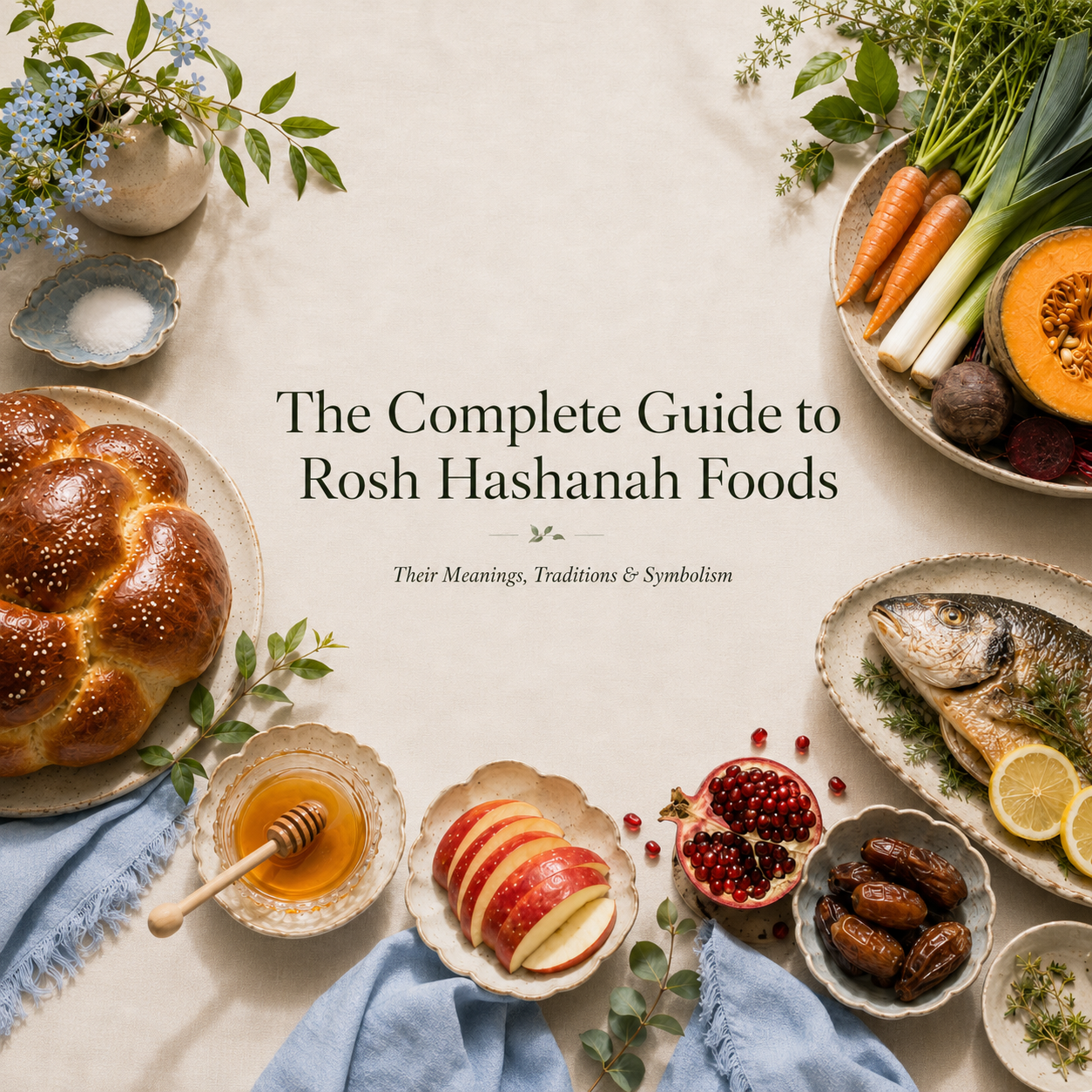
The Complete Guide to Rosh Hashanah Foods and Their Meanings
From apples dipped in honey to pomegranates, dates, fish, carrots, and round challah, the Rosh Hashanah table is filled with foods that carry prayer, symbolism, and hope. Discover the meanings behind the traditional simanim and how to incorporate them beautifully into your holiday meal.
101 Meaningful Rosh Hashanah Wishes, Greetings and Blessings
Looking for the right words for the Jewish New Year? Discover 101 meaningful Rosh Hashanah wishes, traditional Hebrew greetings, family blessings, professional messages, and short greetings for cards, texts, and WhatsApp.
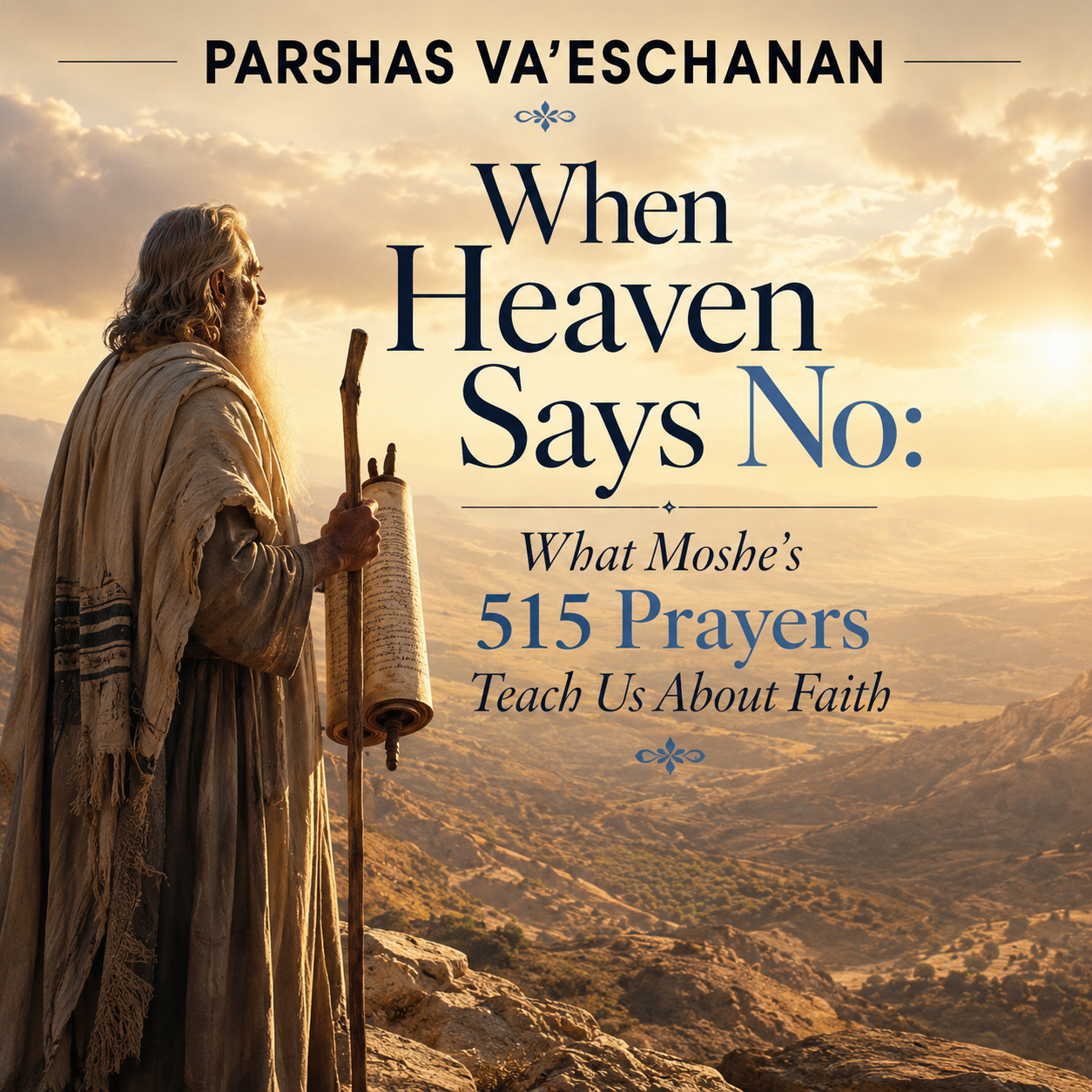
When Heaven Says No: What Moshe's 515 Prayers Teach Us About Faith
What happens when the greatest prophet who ever lived receives the answer he never wanted to hear?
Moshe Rabbeinu prayed 515 times to enter Eretz Yisrael — yet Hashem's answer remained "No."
Parshas Va'eschanan reveals one of Judaism's deepest lessons about faith: unanswered prayer does not mean unanswered love. Sometimes the greatest act of trust is believing that Hashem sees what we cannot.
Through Moshe's final plea, we discover that prayer is not only about changing our circumstances — it is about transforming our relationship with the Creator.
Read: "When Heaven Says No: What Moshe's 515 Prayers Teach Us About Faith"
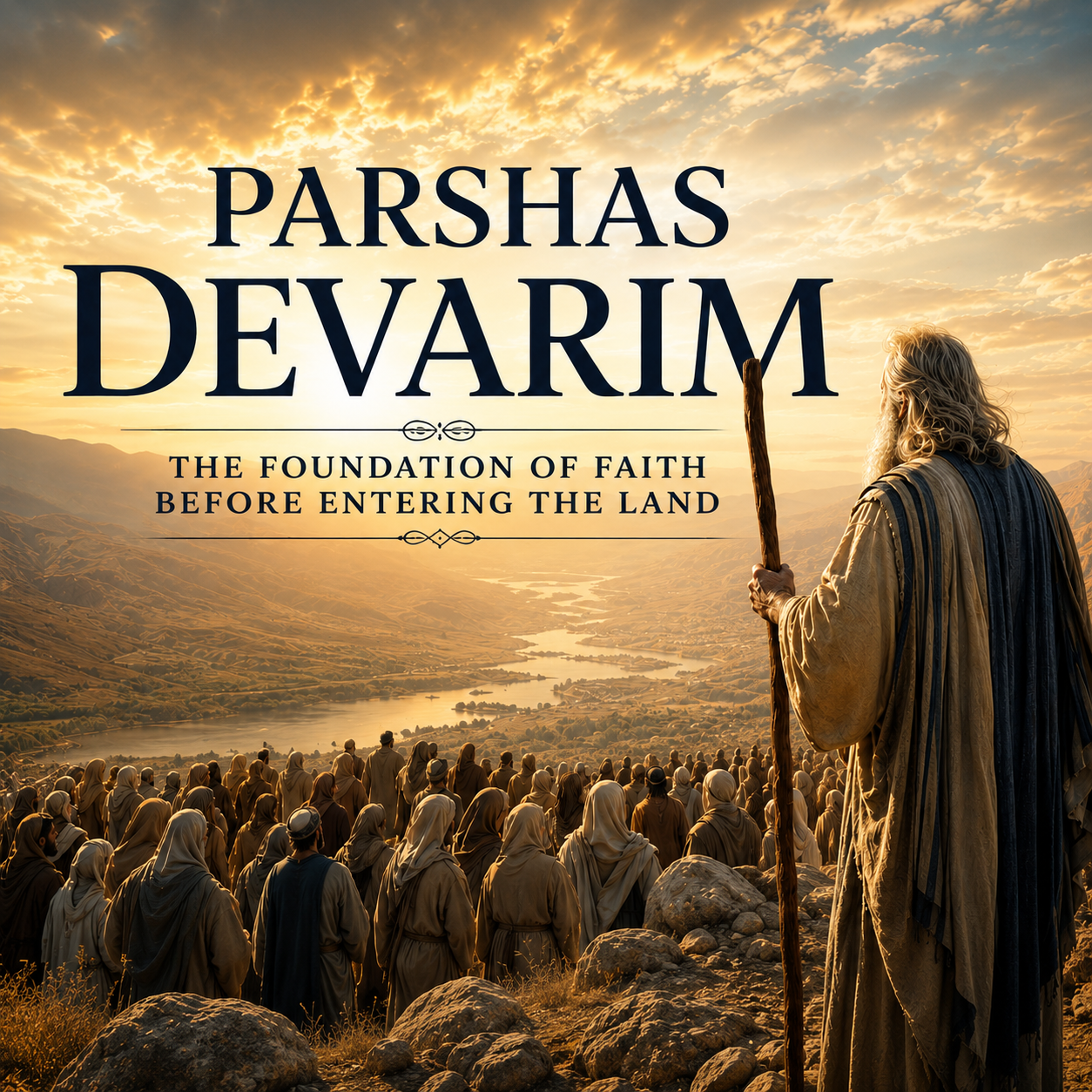
Parshas Devarim: The Foundation of Faith Before Entering the Land
Parshas Devarim teaches the timeless power of emunah, trust in HaShem, and overcoming fear before entering a new chapter. Through Moshe Rabbeinu’s final words, the story of the spies, teachings from Chazal, the Ben Ish Chai, and Rav Yisrael Salanter, we discover how faith, resilience, and hope can transform challenges into opportunities for blessing and success.
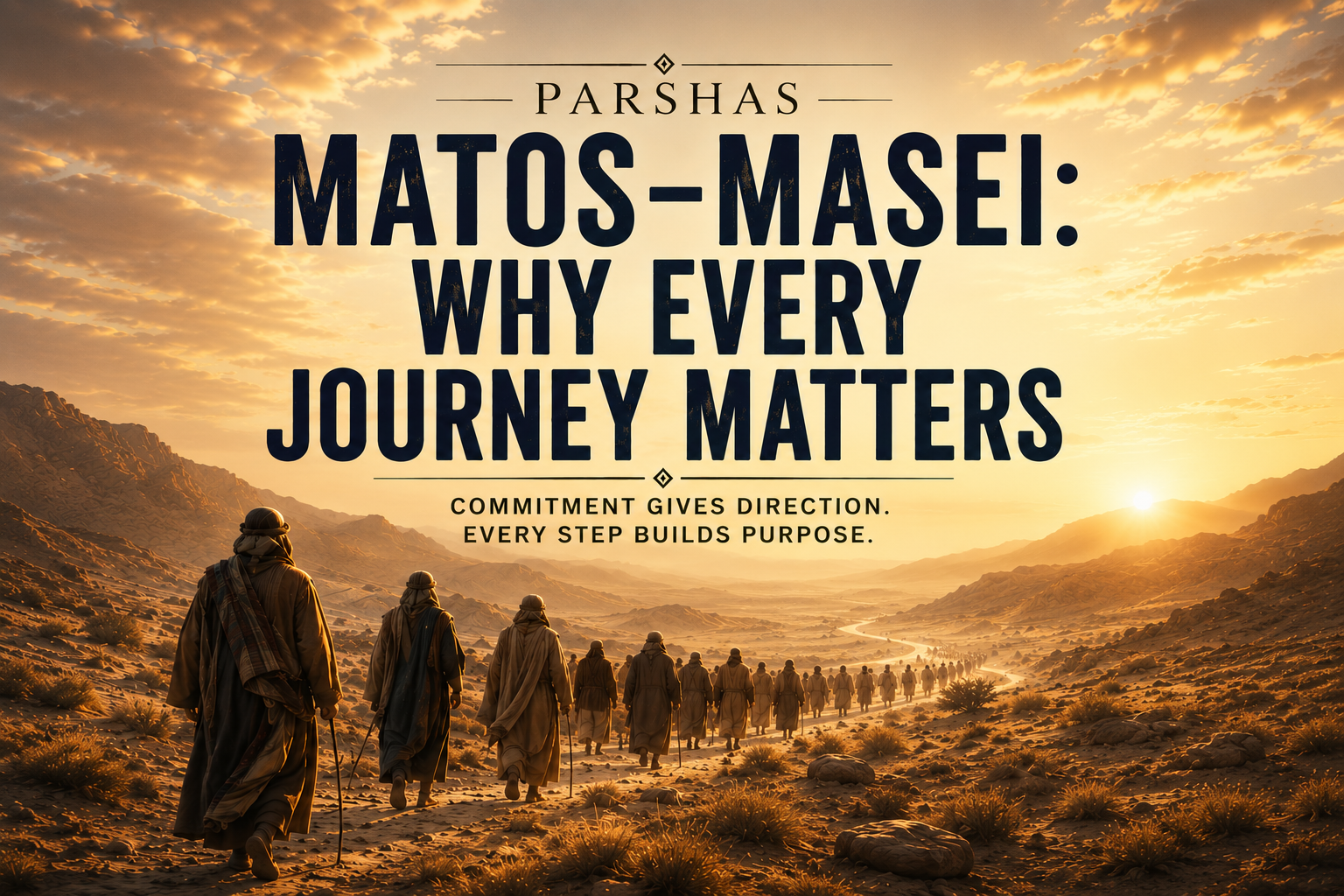
Parshas Matos-Masei: Why are They Read Together, and Why does Every Journey Matter?
Why are Parshas Matos and Masei often read together—and what does that pairing reveal about Jewish life? While the union is rooted in the structure of the Jewish calendar, the deeper message lies in how commitment and journey intertwine. Matos emphasizes the power of speech, vows, and responsibility, while Masei maps the 40-year wilderness journey of the Jewish people in striking detail. Together, they form a unified spiritual framework: what we commit to defines how we travel through life, and every stage of that journey—whether smooth or difficult—carries purpose, meaning, and divine guidance.

The Relationship Audit: The Elul Guide to Repairing Relationships Before Rosh Hashanah - PART TWO
Part Two
Elul is the ideal time to conduct a personal relationship audit before Rosh Hashanah. In Part Two of this series, discover practical Torah guidance for repairing relationships through forgiveness, gratitude, humility, and honest self-reflection. Drawing on the wisdom of the Baal Shem Tov, Rambam, Sefer HaChinuch, Mesillas Yesharim, Rav Kook, the Alter Rebbe, and other classical Jewish sources, this article offers a practical roadmap for strengthening our relationships with others—and, in turn, deepening our relationship with Hashem as we prepare for the Days of Awe.
The Relationship Audit: The Elul Guide to Repairing Relationships Before Rosh Hashanah - PART ONE
The Relationship Audit: The Elul Guide to Repairing Relationships Before Rosh Hashanah (Part One)
As Elul begins, Judaism calls us to look beyond personal spirituality and examine the relationships that shape our lives. Drawing on the Rambam, Rabbeinu Yonah, the Chafetz Chaim, and classical Torah sources, Part One explores why repairing relationships is central to teshuvah, how unresolved conflict affects our spiritual growth, and why reconciliation with others is an essential step before Rosh Hashanah.
The Hidden Gift of Elul: Why HaShem
Before Rosh Hashanah, Judaism gives us an extraordinary gift: an entire month to prepare. Through the teachings of the Rambam, Shir HaShirim and Alter Rebbe, discover why Elul is far more than a countdown to judgment. It is a season of Divine compassion, spiritual awakening, and renewed connection with G-d—a reminder that before accountability comes opportunity, and before judgment comes the chance to return.
The Question Left Unasked: A Timeless Lesson from the Haftarah of Parshas Chukas
The story of Yiftach is far more than a biblical tragedy. It is a timeless lesson about leadership, humility, and the dangers of acting without proper guidance. Through the lens of one of Tanach's most heartbreaking narratives, Parshas Chukas teaches that the difference between wisdom and regret may be a single question asked at the right time.