
Yom Kippur: A Complete Guide to the Holiest Day of the Jewish Year
The meaning of Yom Kippur, the fast and five restrictions, the prayer services, Erev Yom Kippur preparations, and the final moments of Neilah
Yom Kippur is the quiet center of the Jewish year.
For more than twenty-four hours, ordinary life recedes. Food is set aside. Work stops. Leather shoes are exchanged for simpler footwear. Jewish communities gather in white-filled synagogues, and the familiar concerns of the year give way to prayer, confession, reflection, and hope.
Yet Yom Kippur is not simply a day of fasting, nor is it meant to be experienced as a day of punishment. It is a day created by Hashem for cleansing and return.
The Torah describes its promise in extraordinary words: “For on this day atonement shall be made for you, to cleanse you; from all your sins, before Hashem, you shall be clean.” Yom Kippur asks a person to confront what has gone wrong while assuring him that renewal remains possible.
The prayers may be long, the fast may be difficult, and the work of teshuvah may be deeply personal. Nevertheless, the essential message of the day is one of closeness. A Jew is never too distant to return, and no sincere act of return is insignificant.
The Torah describes Yom Kippur not only as a day of judgment, but as a day on which cleansing and return become possible.
What Is Yom Kippur?
Yom Kippur, the Day of Atonement, is observed on the tenth day of the Hebrew month of Tishrei. It comes at the conclusion of the Aseres Yemei Teshuvah, the Ten Days of Repentance that begin with Rosh Hashanah.
The Torah calls Yom Kippur a “Shabbos Shabbason,” a Sabbath of complete rest. All forms of melachah prohibited on Shabbos are also prohibited on Yom Kippur. In addition, the Torah commands the Jewish people to practice self-denial, expressed through the fast and the other restrictions of the day.
Yom Kippur begins before sunset and continues until nightfall the following evening. The holiness of the day is accepted a little before sunset rather than waiting until the final moment. Candle-lighting times, the beginning of the fast, and the end of the fast vary by location and should always be checked on a reliable local Jewish calendar.
Despite its solemnity, Yom Kippur is also a Yom Tov. It is a sacred appointment with Hashem and a day on which forgiveness becomes possible. The white clothing, formal prayers, and dignity of the synagogue reflect not despair but the privilege of standing before Hashem with honesty.
A Day of Atonement, Teshuvah, and Return
The Rambam describes Yom Kippur as the designated time of teshuvah for every individual and for the Jewish people as a whole. Everyone is obligated to use the day for repentance and verbal confession.
Teshuvah is often translated as repentance, but its literal meaning is return. A person does not create an entirely new self on Yom Kippur. He returns to the person he is meant to be.
That return includes recognizing a wrong, leaving it behind, regretting it, confessing it before Hashem, and sincerely resolving to act differently. The Rambam identifies verbal confession, vidui, as a positive commandment. Genuine confession is therefore more than feeling guilty. It is the act of putting truth into words before Hashem.
Yom Kippur does not, however, remove the responsibility to repair harm done to another person.
The Mishnah teaches that Yom Kippur brings atonement for transgressions between a person and Hashem, but transgressions between one person and another are not atoned for until the injured person has been appeased. Money must be repaid, property returned, damage repaired, and forgiveness sincerely requested where necessary.
This is one reason the days before Yom Kippur are so important. The work of the day begins long before Kol Nidrei.
Preparing on Erev Yom Kippur
Erev Yom Kippur is not merely the final day on which one is permitted to eat. It possesses a character and avodah of its own.
The Gemara teaches that one who eats and drinks on the ninth of Tishrei in preparation for fasting on the tenth is credited as though he fasted on both days. The Shulchan Aruch accordingly rules that there is a mitzvah to eat on Erev Yom Kippur.
Eating on Erev Yom Kippur demonstrates that the fast is undertaken because Hashem commanded it, not because Judaism rejects the body. On the ninth of Tishrei, serving Hashem requires eating. On the tenth, it requires fasting.
Practical preparation generally includes drinking sufficient water, eating nourishing but not excessively heavy meals, and reducing unnecessary salt, caffeine, or foods likely to make the fast more difficult. Someone who regularly consumes significant amounts of caffeine may find it helpful to reduce intake gradually in the days before Yom Kippur rather than stopping suddenly.
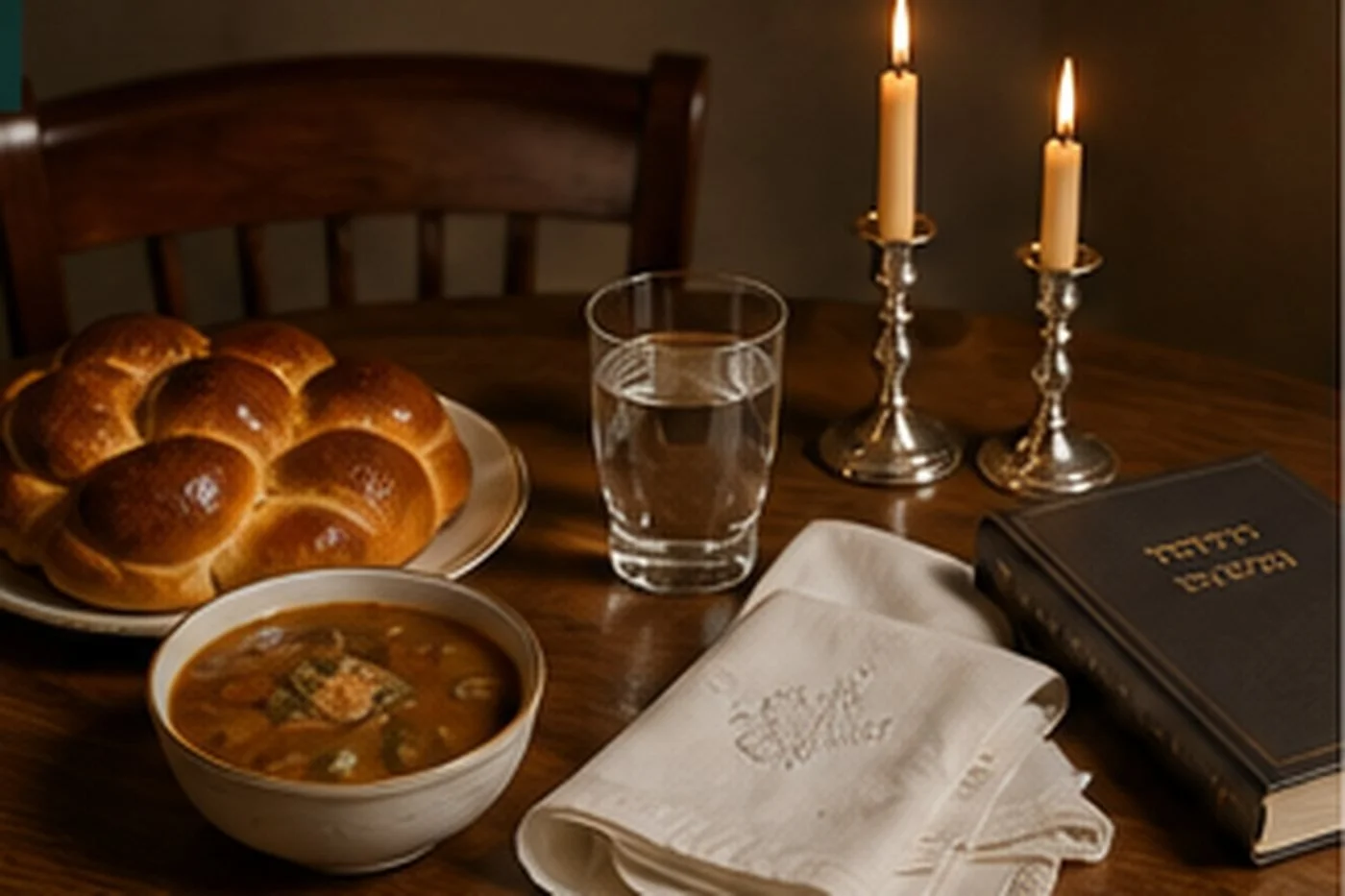
Eating and preparing properly on Erev Yom Kippur are themselves part of the avodah of the day.
Other common Erev Yom Kippur preparations include:
Seeking forgiveness. A person should make a serious effort to repair unresolved conflicts and ask forgiveness for harm caused to others. A vague message sent to everyone is not always a substitute for approaching the person who was actually hurt.
Giving tzedakah. Many communities increase charitable giving before Yom Kippur, expressing the desire to enter the day with generosity and responsibility.
Kapparos. Some communities perform the custom of kapparos with a chicken, while others use money that is later given to charity. Customs and accepted practices vary.
Immersion in a mikvah. Many men, and some women according to their community’s practice and personal circumstances, immerse before Yom Kippur as an act of spiritual preparation. This is a custom rather than one of the central obligations of the day.
Minchah and vidui. Vidui is recited during the Minchah Amidah on Erev Yom Kippur, before the final meal. This ensures that confession begins before the fast itself.
The seudah hamafseket. A final meal is eaten before the fast. It should end early enough to allow the fast and holiness of Yom Kippur to be accepted before sunset.
Blessing one’s children. Many parents bless their children before leaving for Kol Nidrei. This can become one of the most personal moments of the day, joining hope for the coming year with the continuity of the Jewish family.
Holiday candles are lit before the onset of Yom Kippur. Many also light a long-burning candle before the fast for use after Yom Kippur, in accordance with the requirements of Havdalah, as well as memorial candles where customary.
When the Fast and Restrictions Begin
Yom Kippur does not begin when Kol Nidrei is recited. It begins at the locally published time before sunset.
All food and drink must therefore be finished in advance. Leather shoes should be removed, prohibited work stopped, electronic devices put away, and candles lit before the holy day begins.
The fast continues until the locally published ending time after nightfall on the following evening. A person should not rely on an ordinary sunset time or approximation, particularly because the obligation begins before sunset and concludes only after nightfall.
Yom Kippur carries the work restrictions of Shabbos even when it occurs on a weekday. Cooking, writing, driving, using electronics, handling money, and the other categories of prohibited work are therefore set aside for the entire day.

Yom Kippur begins before sunset, when ordinary work and physical comforts are set aside.
The Five Restrictions of Yom Kippur
The Mishnah lists five forms of self-denial observed on Yom Kippur. Eating and drinking are counted together as one category. The remaining restrictions are washing, anointing, wearing leather shoes, and marital relations.

The five restrictions reduce physical comfort for one day so that spiritual reflection may take precedence.
1. Eating and Drinking
Healthy adults refrain completely from food and drink throughout Yom Kippur.
The purpose of the fast is not to damage the body. By temporarily stepping away from food and drink, a person creates a day in which physical routines no longer dominate his attention. Hunger may remain noticeable, but it becomes part of the avodah rather than the purpose of the day.
2. Washing
Washing the body for comfort or pleasure is prohibited.
This does not mean that a person must remain covered in dirt or something harmful. Necessary washing, such as cleaning a soiled area, is governed by its own halachic rules. The practical details should be learned in advance when relevant.
3. Anointing
Oils, creams, and lotions used for bodily pleasure are included in the restriction against anointing.
Products needed for a medical condition may be treated differently. Questions involving prescription creams, skin conditions, or other medical needs should be discussed with a competent halachic authority before Yom Kippur.
4. Wearing Leather Shoes
Leather footwear is not worn on Yom Kippur.
Canvas, cloth, rubber, and many synthetic shoes are commonly worn instead. Because some modern footwear contains several materials, anyone uncertain about a particular pair should check before the fast.
5. Marital Relations
Husband and wife refrain from marital relations and observe the applicable boundaries of physical separation throughout Yom Kippur.
These five restrictions reduce physical comfort, but they are not a rejection of physical life. Judaism normally asks a person to serve Hashem through eating, family life, dignified clothing, and care for the body. Yom Kippur creates one exceptional day in which those ordinary expressions are set aside so that the soul may receive undivided attention.
Fasting Safely: Illness, Pregnancy, and Medical Needs
The obligation to fast is serious, but preserving life is even more serious.
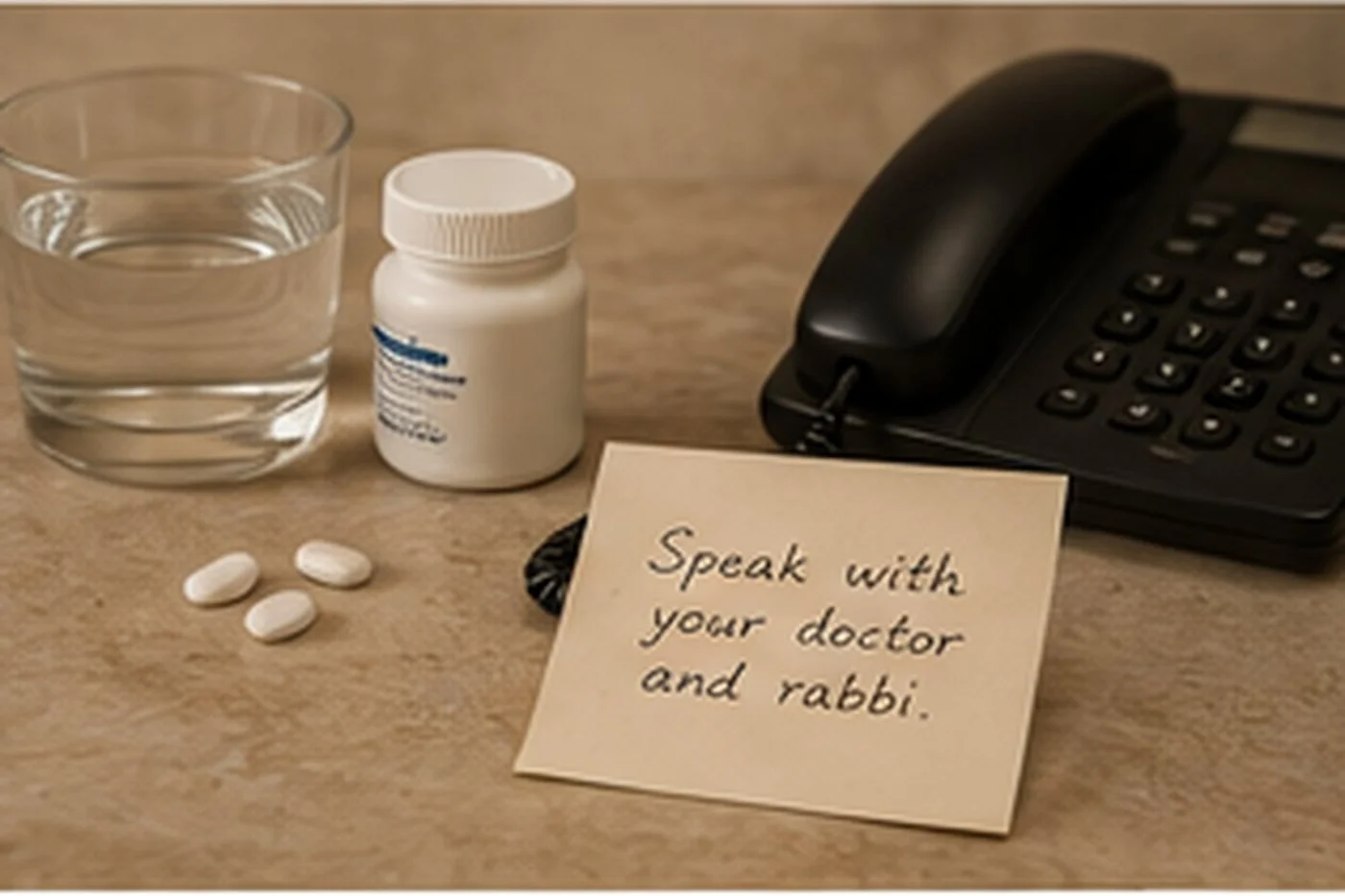
Someone with a medical concern should seek qualified medical and halachic guidance before the fast rather than waiting for an emergency.
The Mishnah rules that a sick person who may be in danger is fed according to medical expertise. The Rambam likewise rules that a dangerously ill person must be given food when it is needed. Refusing necessary food or drink is not an act of greater righteousness.
Anyone with diabetes, a heart condition, an eating disorder, a significant chronic illness, a history of complications while fasting, or medication that may be affected by fasting should consult both a qualified doctor and a competent rabbi before Yom Kippur.
Pregnancy and nursing also require individualized guidance. A general statement found online cannot account for the stage of pregnancy, medical history, previous complications, hydration needs, medication, or the health of the mother and baby.
A person who is instructed to eat or drink for medical reasons is still observing Yom Kippur. In such a case, eating is itself what the Torah requires. Sometimes a rabbi may provide instructions involving measured amounts at intervals, but those details should never be improvised without medical and halachic guidance.
In an urgent or potentially dangerous situation, food, drink, medication, or medical care should not be delayed while waiting for an answer. The Mishnah’s approach is clear: possible danger to life overrides the fast.
Someone who can fast only by remaining at home or resting in bed should generally prioritize the fast over attending every synagogue service, subject to personal medical and rabbinic guidance. The holiness of Yom Kippur is not limited to the synagogue.
Kol Nidrei: Entering the Day
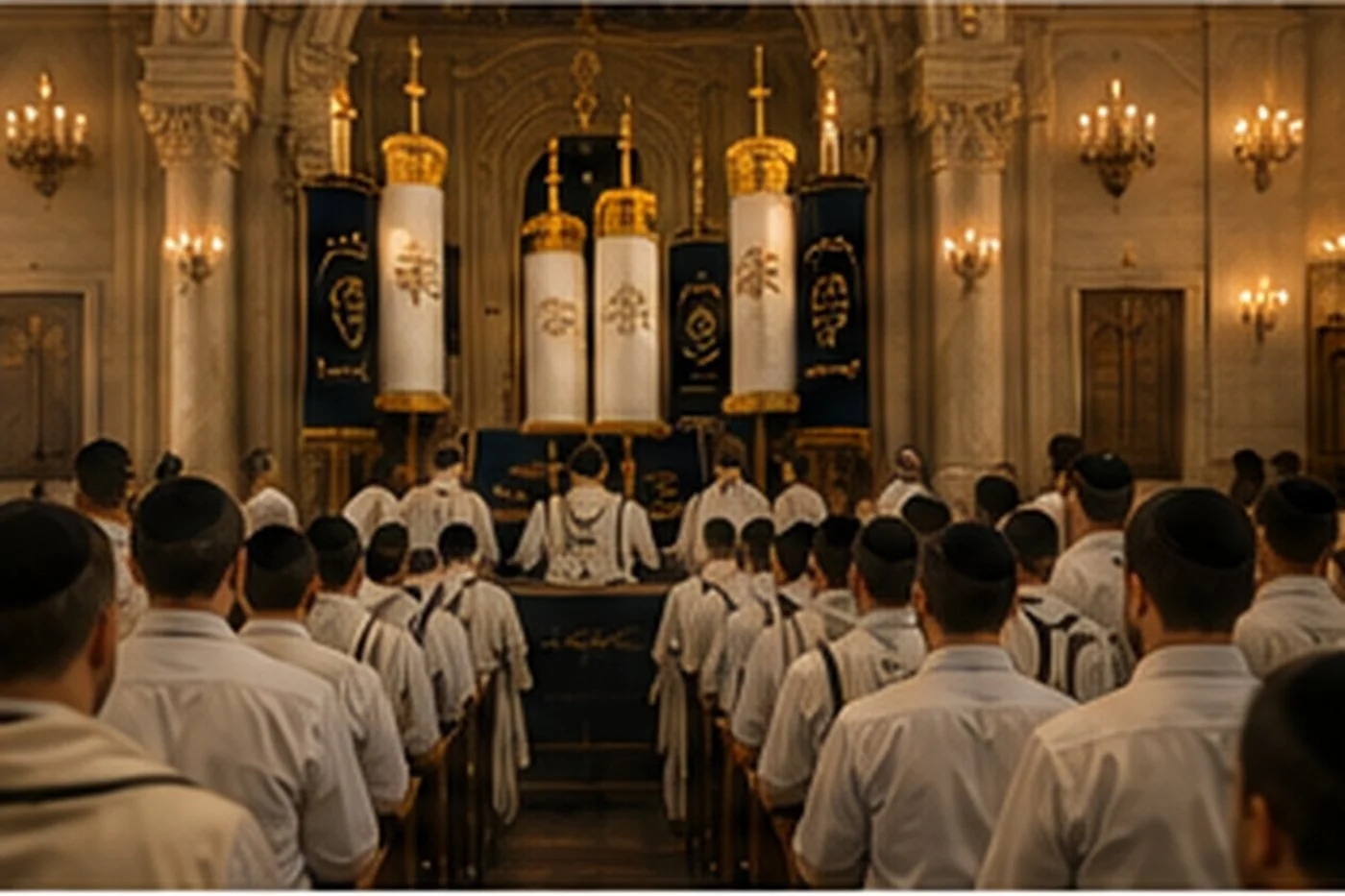
Kol Nidrei opens Yom Kippur with humility about our words, promises, and responsibilities.
Kol Nidrei is the solemn declaration with which the communal Yom Kippur service begins.
The words concern vows and self-imposed commitments. Depending on the liturgical tradition, the text addresses certain vows from the past year, the coming year, or both. It is recited three times in many communities, often while Torah scrolls are held beside the chazzan.
Kol Nidrei is not a general cancellation of debts, business obligations, promises made to another person, or harm done to others. It does not permit a person to make commitments carelessly. Its legal application is limited, and serious vows may require a separate halachic annulment.
Its emotional power comes partly from what it represents. We enter Yom Kippur by acknowledging the weight of human speech. We have made promises too quickly, used words carelessly, and sometimes failed to live up to the person we declared ourselves ready to become.
Kol Nidrei asks us to enter the day with humility about our words and seriousness about the commitments we will make in the future.
The Maariv service follows, including the Shema, the Yom Kippur Amidah, Selichos, and vidui. On Yom Kippur, Baruch Shem Kevod Malchuso Le’olam Va’ed is recited aloud rather than quietly, reflecting the elevated character of the day.
The Five Prayer Services of Yom Kippur
Yom Kippur is the only day of the Jewish year with five formal prayer services:
Maariv, beginning with Kol Nidrei
Shacharis, the morning service
Musaf, the additional service
Minchah, the afternoon service
Neilah, the final service as the day closes
The Gemara records confession at each stage of the day, from the evening service through Neilah.
The special prayer book used on Yom Kippur is called a machzor. Different communities follow Ashkenazic, Sephardic(Edot HaMizrach), Chassidic, or other established versions of the liturgy. The page numbers, melodies, order of certain prayers, and congregational customs may therefore differ.
No one should feel that meaningful prayer requires understanding every word or standing for every moment. A person may select passages to study in advance, use a reliable translation, and pause over the words that speak most directly to him.
The goal is not to win an endurance contest. It is to stand honestly before Hashem.
Vidui: The Confession of Yom Kippur
Vidui is repeated throughout Yom Kippur because confession is central to teshuvah.
The two best-known sections are Ashamnu, an alphabetical list of wrongs, and Al Cheit, a longer confession describing many ways in which a person may have misused speech, judgment, appetite, relationships, power, and opportunity.
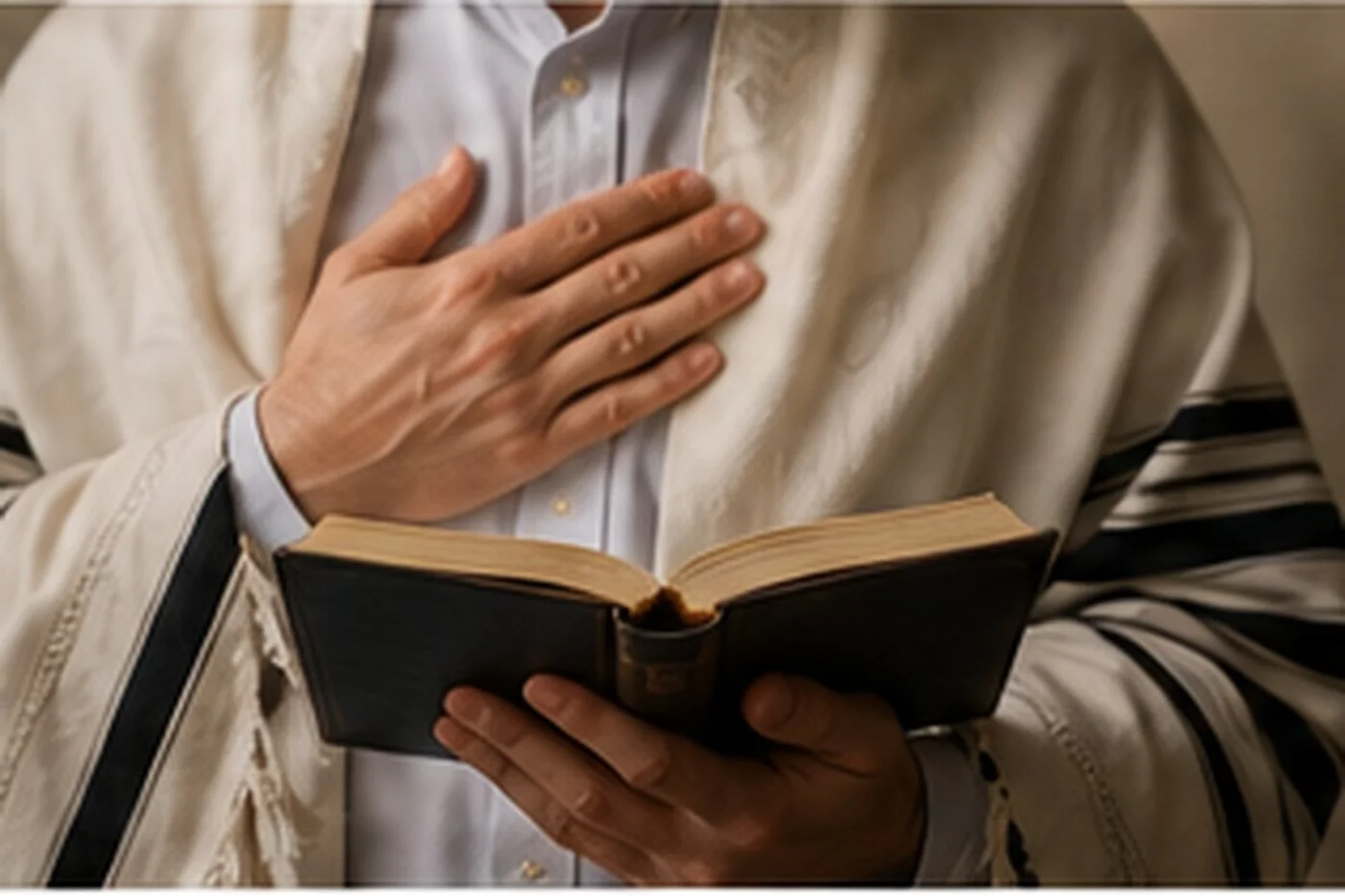
Vidui turns regret into words, asking a person to acknowledge wrongdoing honestly before Hashem.
The confessions are written in the plural: “We have sinned,” rather than only, “I have sinned.”
This language reminds us that every Jew stands as part of a people. We accept responsibility not only for private failures but also for the moral condition of the community to which we belong. At the same time, communal language should not prevent personal reflection. Each person should identify the words that describe his own conduct and consider what change they require.
Many have the custom to gently strike the chest while reciting the confessions. The gesture is not meant as self-punishment. It symbolizes recognition that the heart, desires, and choices must be redirected.
Confession is most meaningful when it becomes specific. It is possible to recite every printed word while avoiding the one truth a person most needs to admit. The machzor gives us language, but teshuvah requires us to place ourselves inside that language.
Shacharis, the Torah Reading, and Yizkor
The morning of Yom Kippur begins with Shacharis, followed by the Torah reading.
The Torah reading describes the Yom Kippur service performed in the Beis HaMikdash. The haftarah from Yeshayahu challenges the idea that fasting alone is sufficient while injustice, cruelty, or indifference remain uncorrected. The true fast must influence how a person treats others.
In many communities, Yizkor is recited during the morning service.
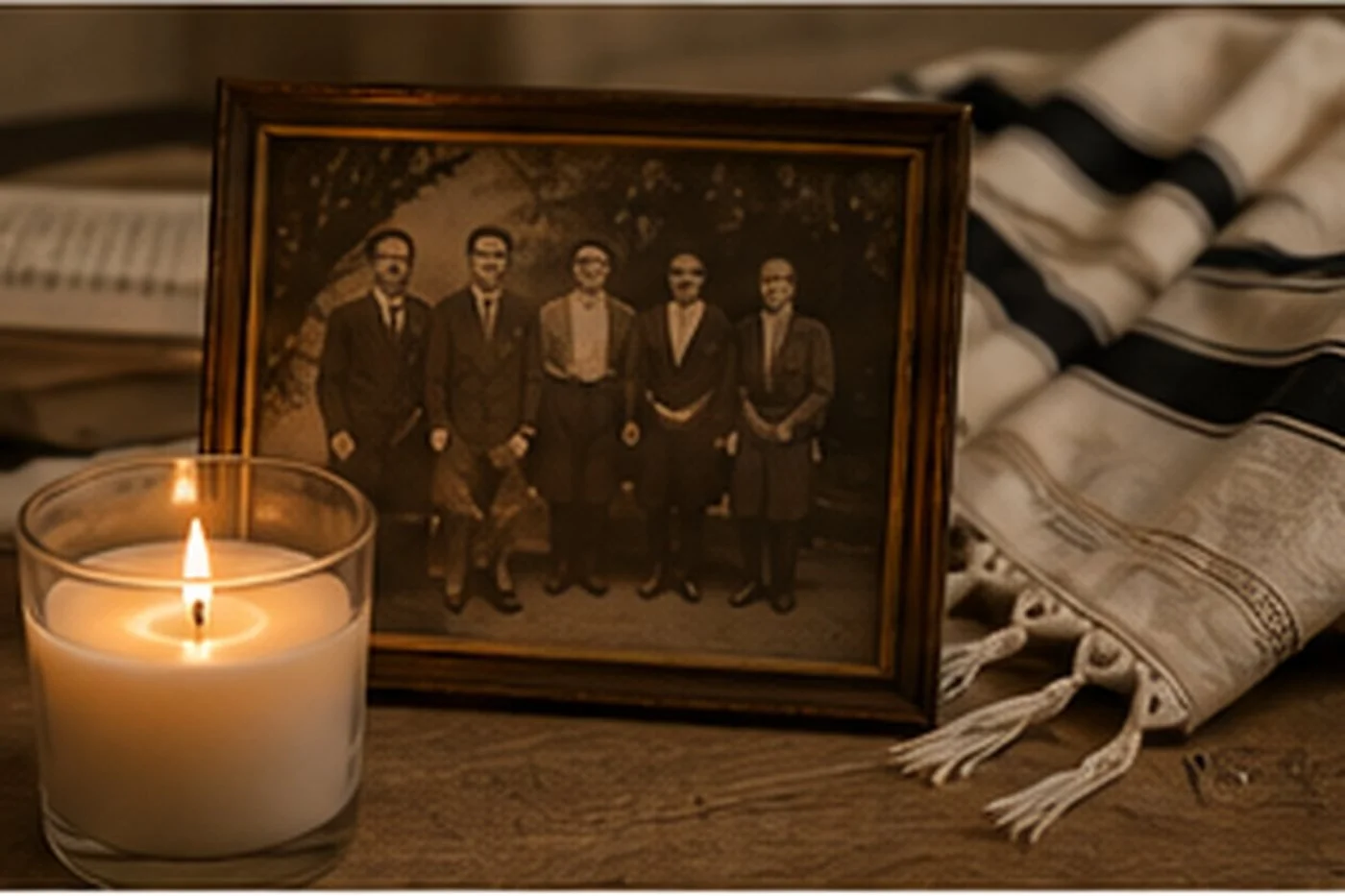
Yizkor joins personal memory with prayer, tzedakah, and the continuing story of the Jewish people.
Yizkor is a memorial prayer for departed parents and other close relatives. It joins memory with tzedakah and asks that the souls of those who have passed be remembered favorably. Customs vary regarding who remains in the synagogue, which prayers are recited, and whether Yizkor is said during the first year after a death.
Yizkor can be emotionally difficult, especially on a day already filled with reflection. Yet it also places the individual within the long continuity of the Jewish people. We do not arrive at Yom Kippur alone. We carry the teachings, sacrifices, strengths, and unfinished hopes of those who came before us.
Musaf and the Avodah of the Kohen Gadol
Musaf contains one of the most important sections of the Yom Kippur machzor: the Avodah service.
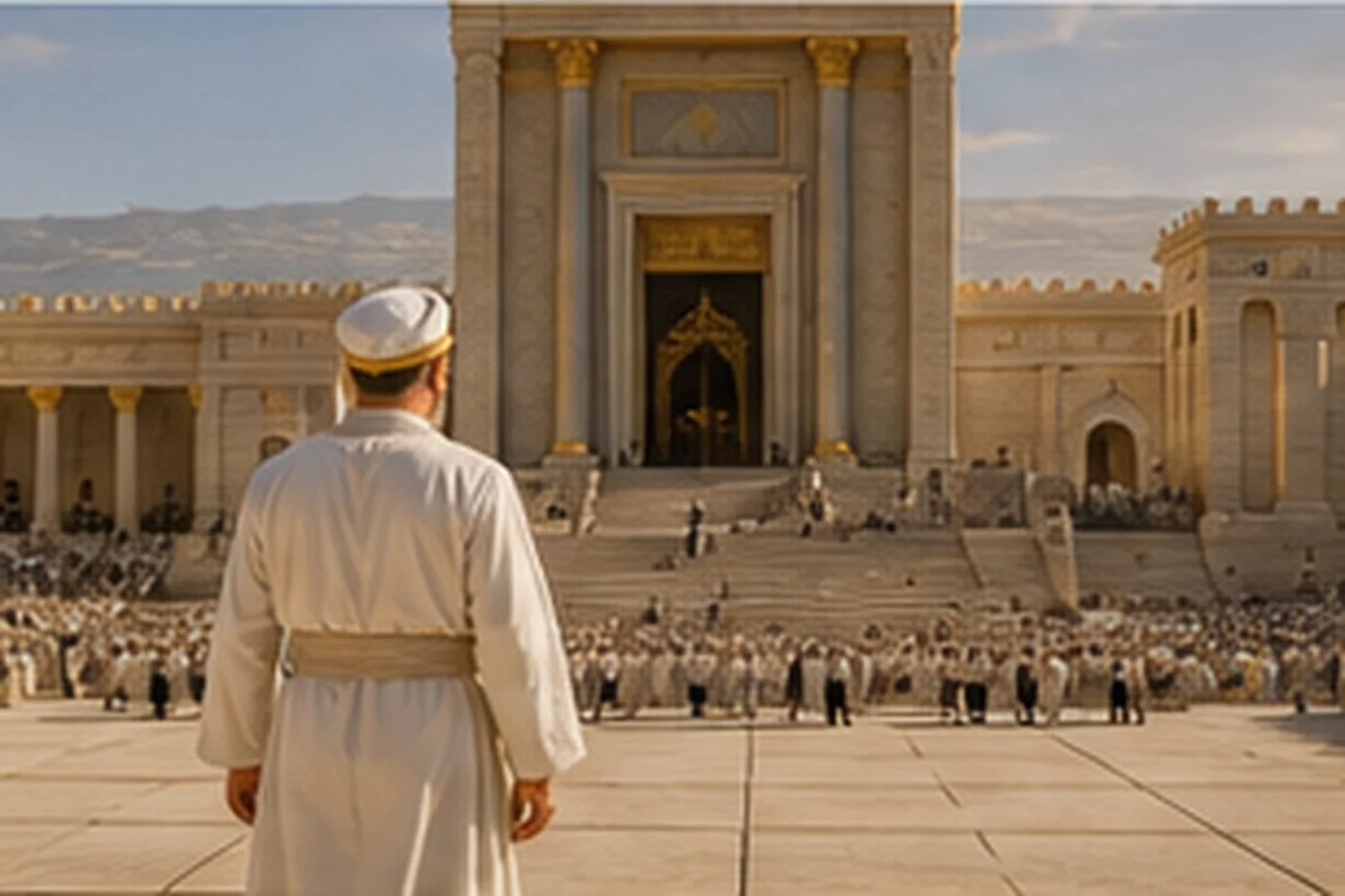
The Musaf Avodah recalls the Kohen Gadol’s service on behalf of the entire Jewish people.
During the time of the Beis HaMikdash, the Kohen Gadol performed a unique and carefully ordered service on behalf of the entire Jewish people. He offered sacrifices, confessed for himself and the nation, changed between golden and plain white garments, and entered the Kodesh HaKodashim, the Holy of Holies.
The Musaf liturgy recounts this service in detail.
When the Kohen Gadol pronounced the Divine Name, the people in the Temple courtyard bowed and prostrated themselves. Many congregations reenact this response during the Avodah section, following their community’s custom.
The Avodah reminds us that Yom Kippur is not only about private spiritual improvement. The Kohen Gadol entered the holiest place as the representative of an entire people. His confession moved outward: from himself, to his household, to the Kohanim, and finally to all Israel.
Today, without the Beis HaMikdash, we recount the service through prayer. The memory of the Avodah teaches that personal teshuvah and communal responsibility cannot be separated. We ask to be cleansed not as isolated individuals, but as part of Klal Yisrael.
Minchah and the Book of Yonah
The afternoon Minchah service includes a Torah reading and the haftarah of the Book of Yonah.
Yonah attempts to flee from the mission Hashem has given him. He boards a ship, descends into the sea, prays from inside the great fish, and is eventually sent again to the city of Nineveh. When the people of Nineveh change their conduct, Hashem accepts their repentance.

The Book of Yonah teaches that a person cannot flee responsibility—and that sincere change can still be accepted.
The book is especially appropriate for Yom Kippur because it teaches that a person cannot escape his responsibility or move beyond Hashem’s reach. It also teaches that teshuvah is measured by change. The people of Nineveh are not praised merely for feeling frightened. They alter their behavior.
Yonah himself must also learn. He understands judgment more easily than mercy and struggles with Hashem’s compassion toward people he believes deserve punishment.
Near the end of Yom Kippur, the book therefore asks a difficult question: Do we want forgiveness only for ourselves, or are we willing to believe that other people can also change?
Neilah: The Closing Prayer
As the sun begins to descend, the atmosphere of Yom Kippur changes.
Neilah is the fifth and final prayer service of the day. Its name means “closing,” traditionally associated with the closing of the gates as the sacred day comes to an end.
The imagery does not mean that Hashem becomes inaccessible after Yom Kippur. Teshuvah and prayer remain possible throughout the year. Neilah communicates urgency: these particular hours, with their unique holiness and opportunity, are nearly over.
In many communities, the Aron remains open for much of Neilah, and those who are able stand. The language of the prayers increasingly speaks of being sealed for life, goodness, and peace.
Neilah is not the time to become discouraged because the day was imperfect. Perhaps concentration wandered. Perhaps the fast was more physically consuming than expected. Perhaps a person reached the final hour still uncertain how much he had changed.
The answer is not to give up. Neilah asks for one more prayer, one more honest admission, and one more decision to move toward Hashem.
The service builds toward declarations of Jewish faith and Hashem’s unity. Many communities conclude with Shema Yisrael, Baruch Shem, and repeated declarations of Hashem Hu HaElokim—Hashem, He is God.
Then, after the proper time has arrived, the shofar is sounded.
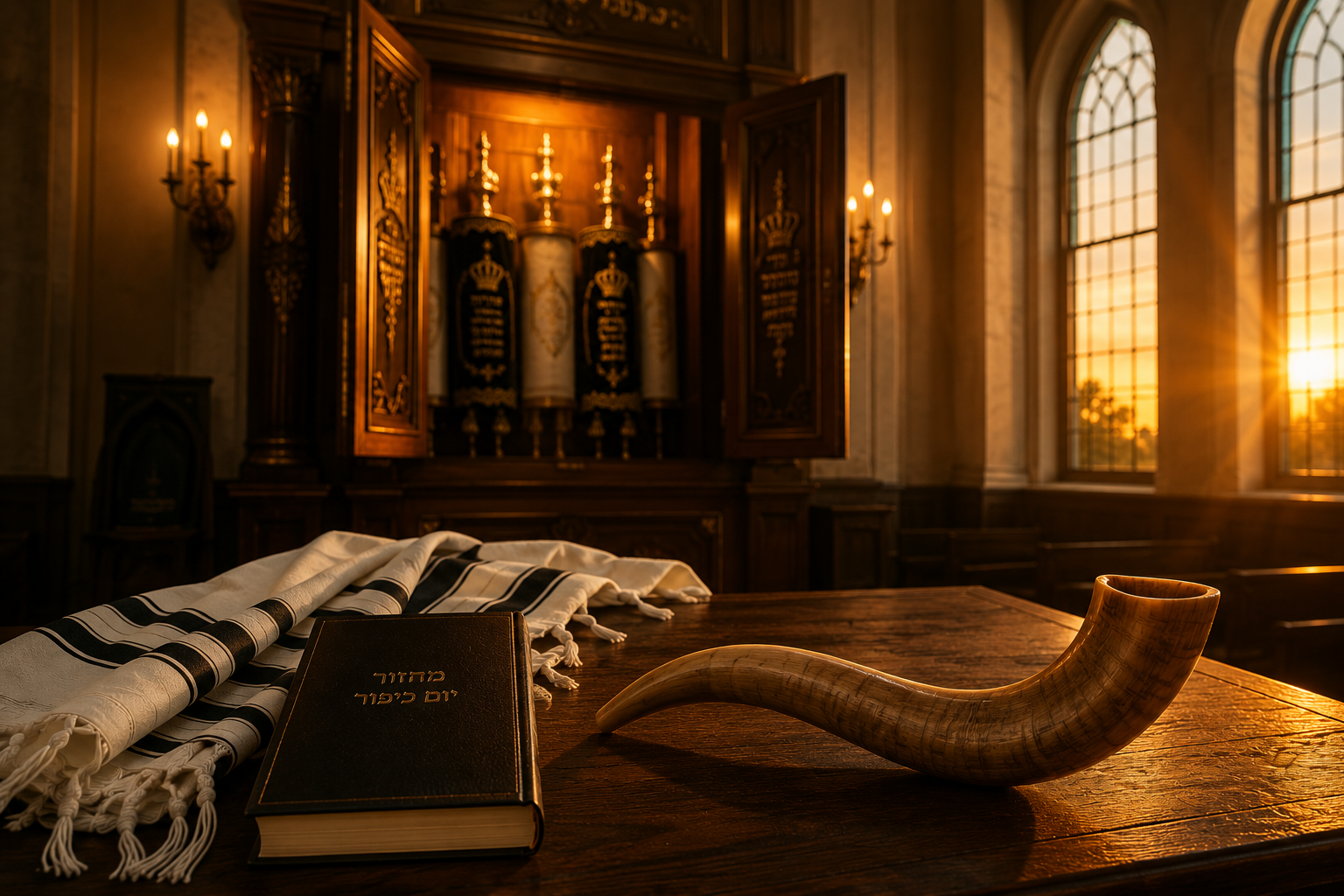
Neilah gathers the final strength of the day into one last prayer for forgiveness, life, and return.
The Shofar and the End of Yom Kippur
The final shofar blast announces that Yom Kippur has ended.
The sound is both solemn and triumphant. The fast is complete, but the Jewish people do not leave as they entered. We have stood together before Hashem, spoken words of confession, remembered the Beis HaMikdash, acknowledged human weakness, and asked to begin again.
Maariv is recited after Yom Kippur, followed by Havdalah according to the halachic order appropriate to that year. One should not eat or drink until Yom Kippur has ended and Havdalah has been made, except where medical needs require otherwise.
The break-fast meal should restore the body without erasing the dignity of the day. It is generally wise to begin with water and moderate food rather than eating excessively after a long fast.
Some have the custom to begin working on or planning the sukkah that same night, moving directly from the mitzvah of Yom Kippur toward the mitzvah of Sukkos.
Carrying Yom Kippur Into the Year
Yom Kippur cannot remain sealed inside the machzor.
A moving Neilah is valuable, but the lasting measure of the day appears afterward: in the apology finally offered, the harmful habit interrupted, the prayer said with greater attention, the piece of Torah learned consistently, or the person treated with greater patience.
The best commitment is not always the most dramatic one. A small, defined change that can be maintained may accomplish more than an emotional promise that disappears within a week.
Yom Kippur does not ask us to pretend that we have never failed. It asks us to believe that failure does not have to be final.
The Torah’s description of the day does not end only with judgment or deprivation. It speaks of cleansing: “Before Hashem, you shall be clean.”
That is the gift of Yom Kippur. We enter carrying the weight of the previous year, and Hashem gives us the ability to leave facing forward.