
The Missing Conversation in Women’s Torah Media is Tzofia.org
By Claire Zeitler
There is no shortage of content for Jewish women.
Open Instagram, and you'll find endless reels, quotes, recipes, inspiration, and life advice. Open your inbox, and there are newsletters arriving every day. Scroll through social media long enough, and you'll hear opinions on everything from marriage to modesty to motherhood.
Yet for Liora Rosenblatt, something was missing.
"I felt that women deserved more," she told me.
Not more content. Better content.
The idea eventually became Tzofia, an online platform dedicated to thoughtful Torah-based content for women, but the seed was planted years before the website ever launched. As someone who became religious as a teenager after growing up in a secular environment in Montreal, Rosenblatt experienced two very different worlds of women's education.
"In the school I attended, women were encouraged to think, to achieve, to ask questions, to lead," she explained. "When I became frum, I found incredible Torah learning, but I also sometimes felt that the platforms available to women weren't addressing the deeper questions women were actually asking."
That observation stayed with her.
During the COVID lockdowns, while unexpectedly stranded in Montreal for five months, she finally had the time to sit down and think seriously about what she wanted to create. What started as a notebook full of ideas eventually became a nonprofit media platform launched in August 2023.
The name itself reveals a great deal about the mission.
Tzofia comes from a Hebrew root connected to seeing from a vantage point. Rosenblatt discovered the word while searching through Eishes Chayil and immediately felt it captured what she wanted the platform to become.
"It's about seeing the details and the bigger picture at the same time," she explained.
That philosophy is reflected in the content.
While many Torah websites focus primarily on practical halacha or inspiration, Tzofia has become known for addressing subjects that are often considered complicated, uncomfortable, or simply easier to avoid. Articles have explored topics such as feminism and Torah values, Jewish identity, contemporary social issues, women in Jewish history, and the challenges of navigating modern life through a Torah lens.
What struck me during our conversation was that Rosenblatt isn't interested in creating controversy for its own sake. Quite the opposite.
Her goal is not to tell women what they want to hear. It is to ask what Torah actually says.
"We're not interested in what our instincts say or what happens to be popular," she said. "We're asking what Torah says."
That sounds straightforward until you realize how difficult it is to do.
Today's media landscape rewards speed. The internet rewards certainty. Social media rewards outrage. Thoughtfulness, nuance, and careful analysis rarely perform as well as a hot take.
For Rosenblatt, however, depth is non-negotiable.
One of the biggest challenges she faces is ensuring that articles remain substantial without becoming inaccessible. She wants readers to think, but she also wants them to keep reading.
"The balance is carrying deep content without making it boring," she laughed.
Finding writers capable of doing that is not always easy.
Tzofia's contributors come from a wide range of backgrounds within the frum world, something Rosenblatt is particularly proud of. The platform includes voices from different communities and hashkafic perspectives, united not by labels but by a shared commitment to Torah and serious intellectual engagement. Before bringing on a writer, she reviews their work, interviews them personally, and ensures they understand the publication's vision.
The result is a publication that feels unusually broad while remaining unapologetically Torah-centered.
What may surprise readers is how much of the work happens behind the scenes.
Like many nonprofit founders, Rosenblatt speaks openly about moments of discouragement. There have been fundraising campaigns that fell short of expectations. There have been times when supporters disappeared, plans stalled, or growth happened far more slowly than she had hoped.
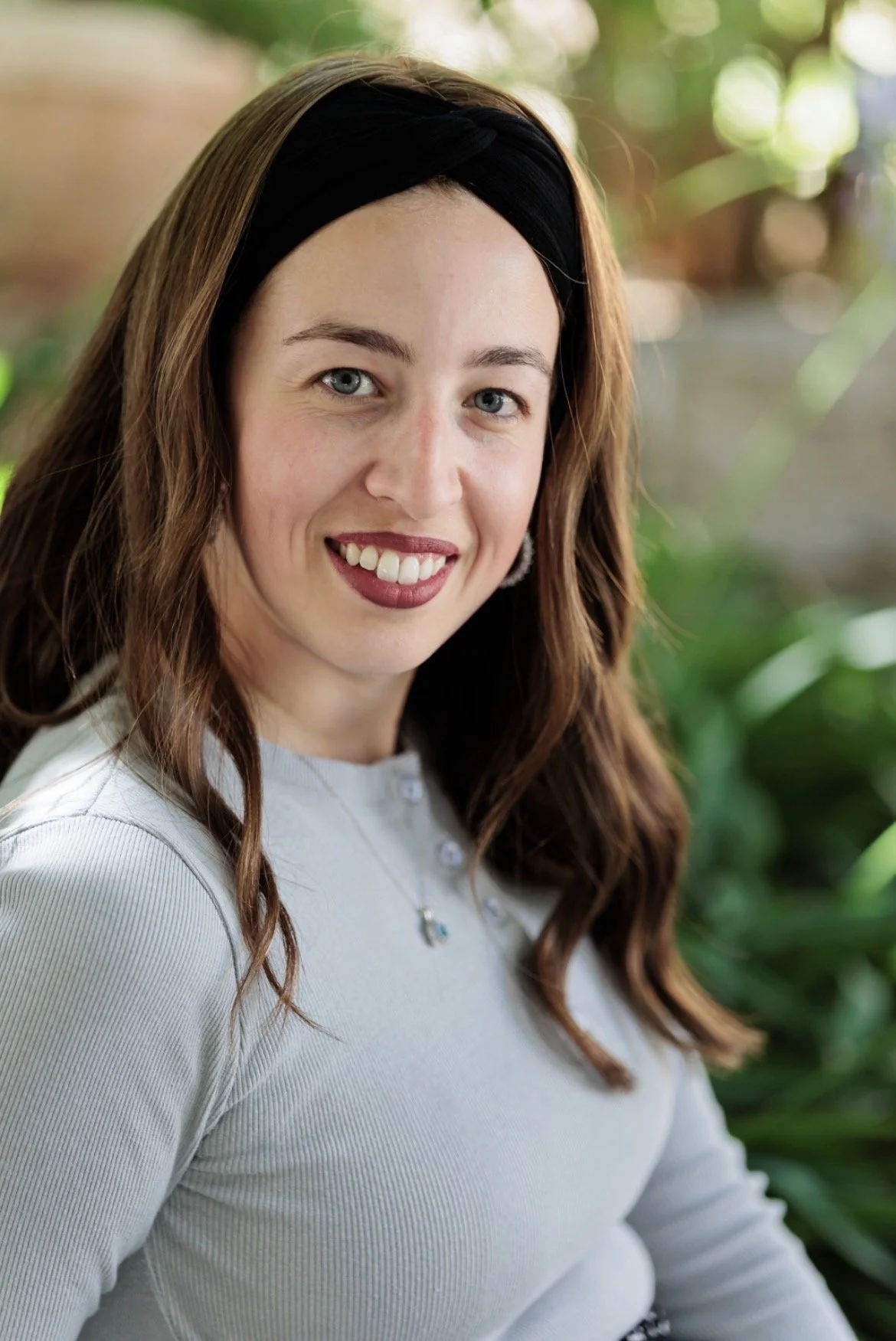
She believes in the mission so much, partly because every so often a reader reaches out to tell her that an article changed the way she understood a Torah concept, strengthened her relationship with Hashem, or helped her think about an issue differently.
These little acknowledgments are what keep all of us going. For Rosenblatt, those messages matter more than analytics.
As our conversation came to a close, I asked what advice she would give to women sitting on an idea they have not yet pursued.
Her answer had nothing to do with confidence.
Instead, she spoke about planning.
Write down where you want the project to be in three months, six months, a year, and five years. Make a roadmap. Give your idea somewhere to go.
Then start.
Not when everything is perfect.
Not when every answer has arrived.
Just start.
Listening to Rosenblatt describe the evolution of Tzofia, I was reminded that many meaningful projects begin this way. Not with certainty, funding, or a polished business plan, but with a simple conviction that something important is missing.
For Rosenblatt, that missing piece was a space where women could engage seriously with Torah, ask difficult questions, and encounter ideas that challenged them to grow.
Tzofia is her answer to that need.
And judging by the women who continue to return to the platform, she may have been right.