

The Things We Do When No One Is Watching
Parshas Ki Seitzei is filled with mitzvos that govern the moments few people ever see: returning lost property, paying workers on time, maintaining honest measures, preventing danger, protecting dignity, and leaving something behind for another person. As Elul approaches, the parsha asks a quieter question than whether we have performed great mitzvos or committed great sins: Who are we becoming in the hundreds of ordinary moments nobody else records?
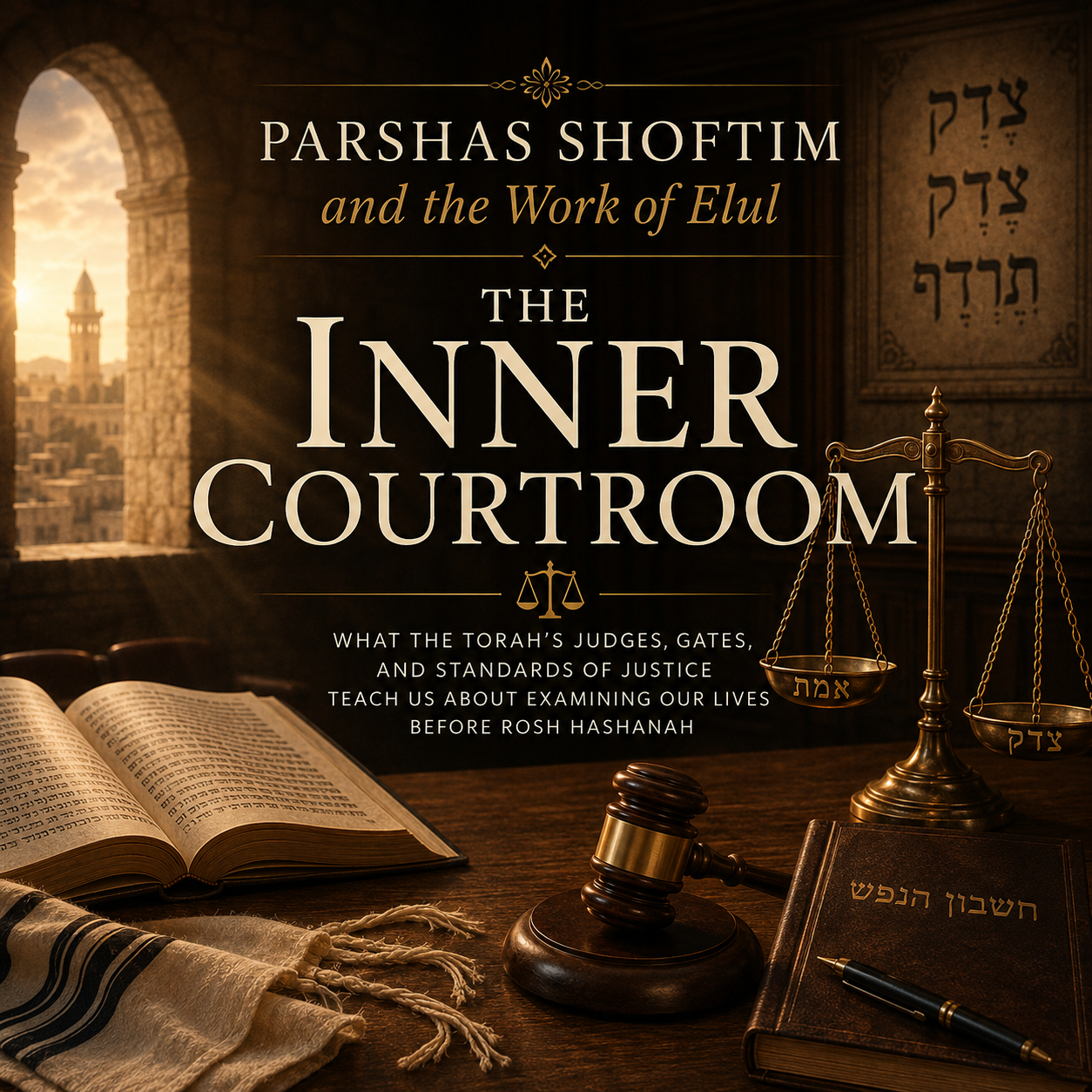
The Inner Courtroom: Parshat Shoftim and the Work of Elul
Parshas Shoftim opens with a command to appoint judges and officers at every gate. As Elul begins, those words take on a deeply personal meaning. What happens when the courtroom moves inward? Through Gemara, Midrash, and classical Torah sources, we explore how honest judgment, guarded gates, careful self-examination, and teshuvah can prepare us to stand before Hashem on Rosh Hashanah.
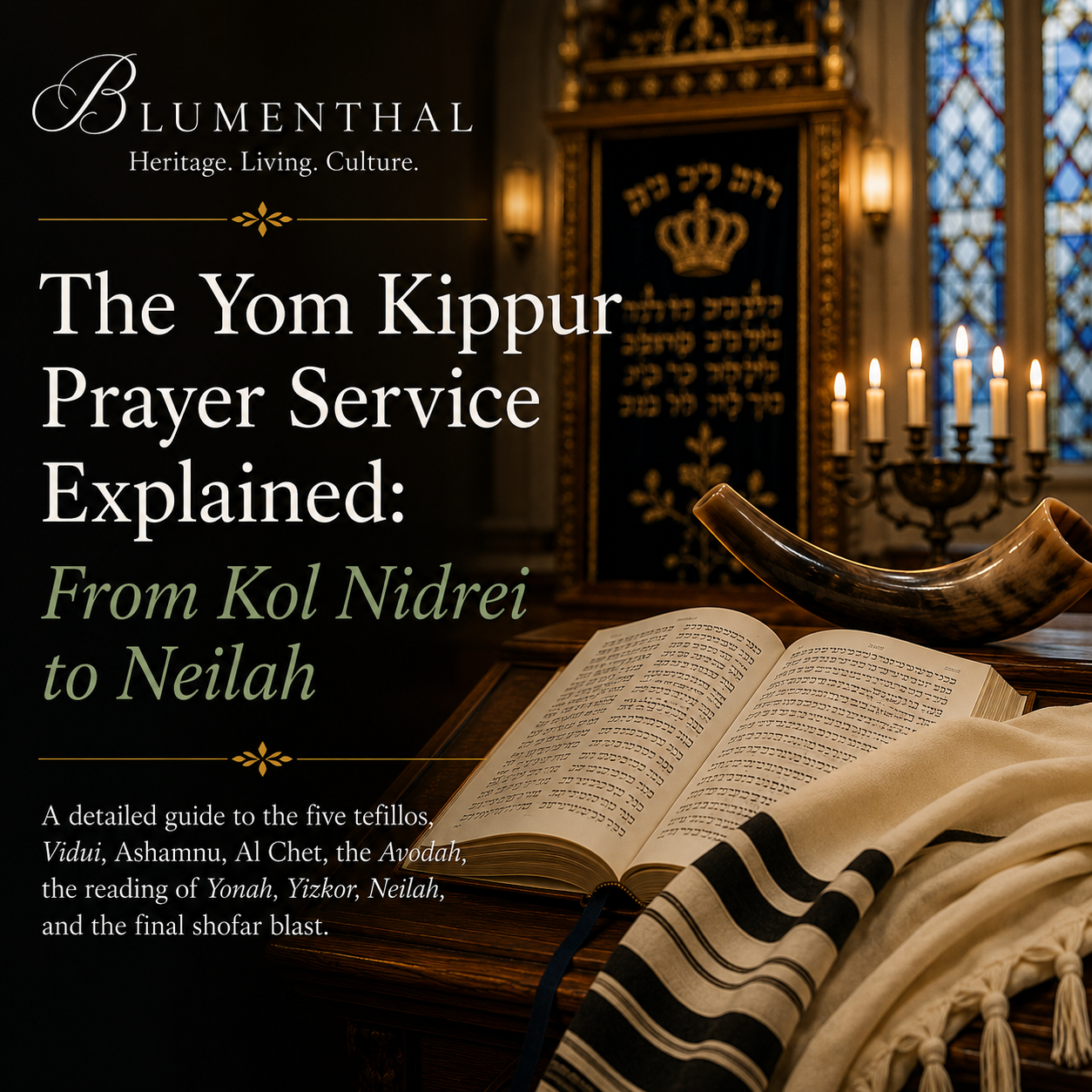
The Yom Kippur Prayer Service Explained: From Kol Nidrei to Neilah
From Kol Nidrei at sunset to the final shofar blast after Neilah, the Yom Kippur prayer service guides the Jewish people through confession, remembrance, teshuvah, and renewed closeness to Hashem. This detailed guide explains the five tefillos, Vidui, Ashamnu, Al Chet, Yizkor, the Avodah, Sefer Yonah, Neilah, and the meaning of the day’s final declarations.
How to Do Teshuvah: The Rambam’s Four Steps of Returning to Hashem
Teshuvah is not simply a feeling of guilt—it is a practical process of returning to Hashem. Drawing on the Rambam’s Hilchos Teshuvah, this guide explains the four essential steps: recognizing and leaving wrongdoing, experiencing honest regret, confessing before Hashem, and making a sincere commitment to change. It also offers practical guidance for repairing harm, creating safeguards, and beginning again after a setback.
A Complete Guide to the Aseres Yemei Teshuvah - The Ten Days of Repentance
The Aseres Yemei Teshuvah are far more than the days separating Rosh Hashanah and Yom Kippur. They are a sacred period of prayer, judgment, reflection, reconciliation, and return. This complete guide explores the meaning of the Ten Days of Repentance, the changes made to daily prayers, the customs of Shabbos Shuvah and Erev Yom Kippur, and practical ways to approach teshuvah with honesty, hope, and purpose.