
Making the Cut: The Production Methods That Place Premium Cigars Above the Rest
Written by Claire Zeitler
As a highly regarded indulgence — whether it is for enjoyment, camaraderie, pleasure, or social inclination — cigar culture embodies finesse and a certain decadence. Dating back to the ancient Mayans, it’s a practice that has evolved over thousands of years, finally arriving at our doorstep: adorned, embellished, and a pastime incorporated into our upper echelons. And of course, like every luxury product, there are certain variations in cigar types that raise their worth and appraisal above the rest. For those who partake in the elevated form of recreation, where cigarmanship holds the highest esteem, there are vital differences that place specific cigars significantly higher among the ranks; it is in this opulent sphere where the true enjoyment of cigar smoking lies. The methodology of creating the ‘perfect cigar’ is not clandestine, nor a great secret passed down over the thousands of years, but more of an investment into resources and techniques by which the cigar is made more appreciable to the smoker.
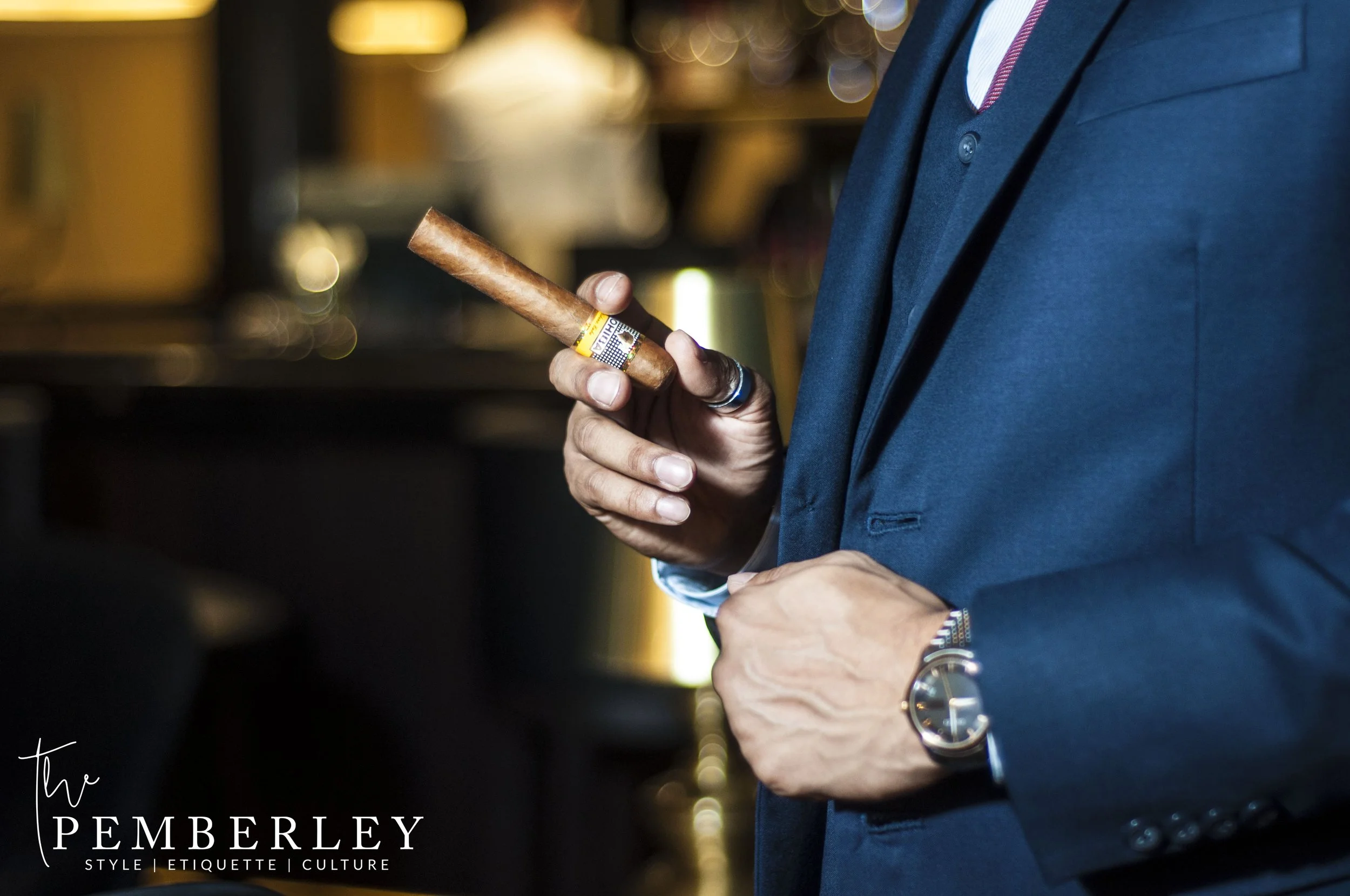
While not essential, it is important to thoroughly understand the history of cigars to fully appreciate their modern-day value. To really understand, we must return to the original colonial culture, one of the first things that passed along from the indigenous tribes to the first Europeans who landed on the shores of the New World. Christopher Columbus first brought tobacco back to Portugal and Spain, from whence it spread rather rapidly. Cigars became quite popular, and therefore, methods of manufacture became more of a refined art and allowed the higher levels of society to enjoy smoking as a leisurely activity. This history of the cigar really contributes to the value we weigh it against today, first of all, in terms of the refined methods of production and the value that those who smoked placed on this process.
When first introduced to the Western world, cigars were crudely hand-rolled; as their popularity grew, the hand-rolling techniques became significantly more refined. Nowadays, machines have largely taken over cigar production. Some of the world’s most prized cigars retain their market position due to the original production techniques that they employ — that is to say that they are hand cut, filled, and rolled. The machine-rolled cigar predominantly uses HTL (homogenized tobacco leaf), a mixture of tobacco leaf scraps that have been pulverized, mixed with vegetable gum, and rolled into sheets to ensure a more uniform, stronger tobacco leaf. In other words, the level of difficulty is significantly increased in order to guarantee a high level of excellence in a hand-rolled cigar. Fine cigars are rolled by hand by very skilled workers who safeguard the quality control from the beginning to the end and must achieve a uniform and flawless appearance to each cigar, from the selection of filler, to the colour of the cigar, to ensuring that the leaf, which is wrapped 3 and a half times around, has the vein constantly lining up on each spiral.
However obvious it may seem, hand-rolled cigars have a much lower production rate than machine-rolled ones, thereby increasing the caliber of the product. As an example, one of the world's most lavish cigars, the Royal Danish Regal Blend — The King of Denmark cigar — is rather rare; a maximum of 30 are produced each day. The production follows a 200-year-old aristocratic original formula from the days when the Danish West Indies were still under the control of the King of Denmark. This specific brand of cigar stands proudly among some of the world’s best examples of cigars due to the dedication it gives to the original methods of production and the care given to its construction.
Another influential factor that enhances the majesty of certain cigars is the age of the individual components used to construct them. If the tobacco has been aged for several years, the value is likely to be higher. This is because curing, fermenting and ageing rare tobaccos for an extended period requires knowledge, skill and time to ensure the finest quality cigar is produced. Additionally, variations in the leaf used as a wrapper can also further elevate the status of a cigar. This is not only because these leaves provide much of the cigar's flavor, but also because blending tobacco leaves to achieve a specific flavor is a skilled art that, again, takes time. Consequently, rarer ingredients often result in a more treasured product. The Gurkha Black Dragon cigar is made with a Connecticut Broadleaf Maduro wrapper, a Cameroon binder, and Dominican filler, each aged for 5 years. With the Gurkha His Majesty’s Reserve, each component is aged in the Dominican Republic — the Connecticut Maduro wrapper is aged for 15 years, and the binder and filler are aged for 12 years. The filler is also infused with the Louis XIII cognac. Alike delicately aged fine wine or whiskey, a cigar to be congratulated is one that has been prepared and matured to perfection, the Fuente Don Arturo AnniverXario was originally released in 2001 on the 100th year anniversary of Don Arturo Fuente but they were not released until 2008 after 7 years of aging.
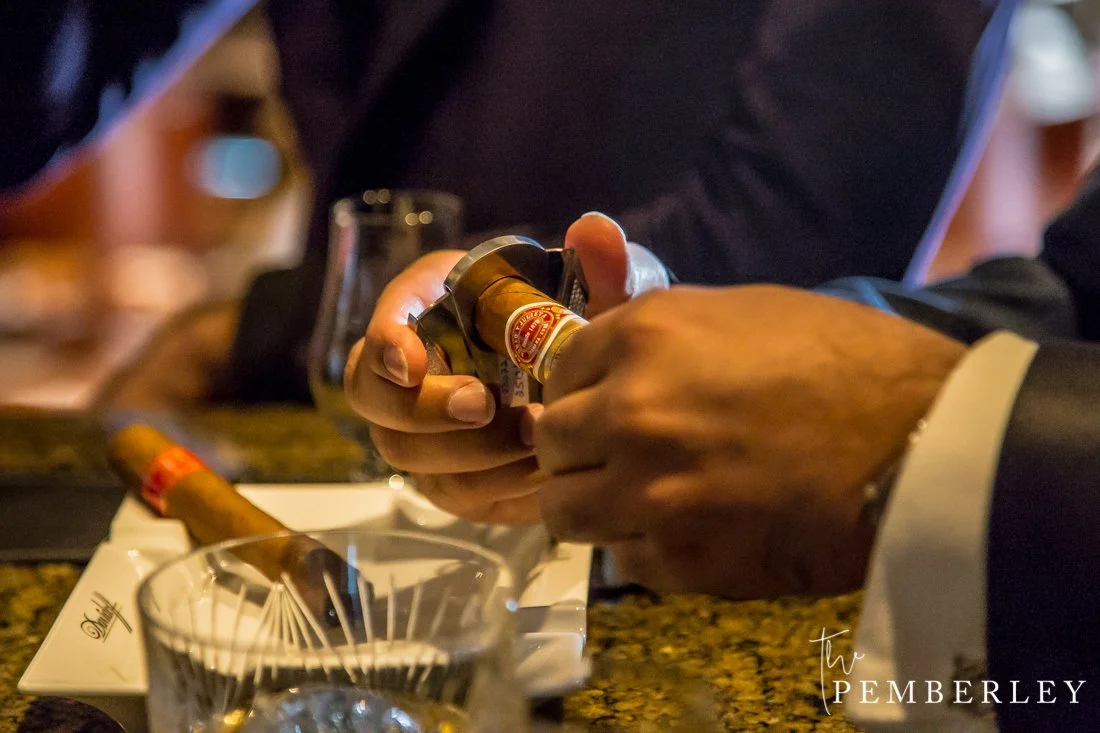
A noteworthy aspect of cigar production is presentation. Aside from the history and skill behind the methods of manufacture of the cigars themselves, the presentation serves as the grandiose gravitas, the brashly apparent component that increases their worth. Some of the world’s most splendid cigars are supplemented with ornamentation that may seem to go above and beyond; they do not add to the pleasure of smoking, but certainly do intensify the elegance. If we return to The King of Denmark, each cigar is embellished with 10 Swarovski crystals; these cigars can be customized by requesting specific adornments, whether it be an embossed name on the gold foil or precious metals and diamonds. The Fuente Don Arturo Anniversary has variations: the natural cigar boasts a red ribbon, and the sun-grown variety a black one. The additional artistry that builds on the cigars' extravagance undoubtedly increases their desirability.
Not to be forgotten is the most noteworthy accompaniment of cigars: the humidor, the way in which leading cigar brands dignify their products. The King of Denmark flaunts a humidor with a crown made of sterling silver and plated in 24k gold. The Gurkha Black Dragon comes in a chest that is hand-carved from camel bone. The Cohiba Behike cigars come alongside the French-made Elie Bleu humidor.
Whether you are one to enjoy a cigar once in a blue moon or on a more regular basis, the quality of a good cigar and the skilled work and attention that go into its production make it a great cause for taking a great deal of joy in smoking it.