
Dressing for Your Skin Tone
Written by Claire Zeitler
Choosing the right colours for your clothing isn’t only about style—it’s about presenting yourself in a way that feels natural, put-together, and respectful.
Most people know their skin colour, but fewer understand their skin tone—and that’s where much of the difference lies. When you begin to dress in a way that complements your natural undertones, everything looks more balanced, more intentional, and more refined.
While it isn’t an exact science, skin tone generally falls into three categories: warm, cool, or neutral. And understanding where you fall can help guide your choices—from weekday outfits to Shabbos and Yom Tov clothing.
How to Identify Your Skin Tone

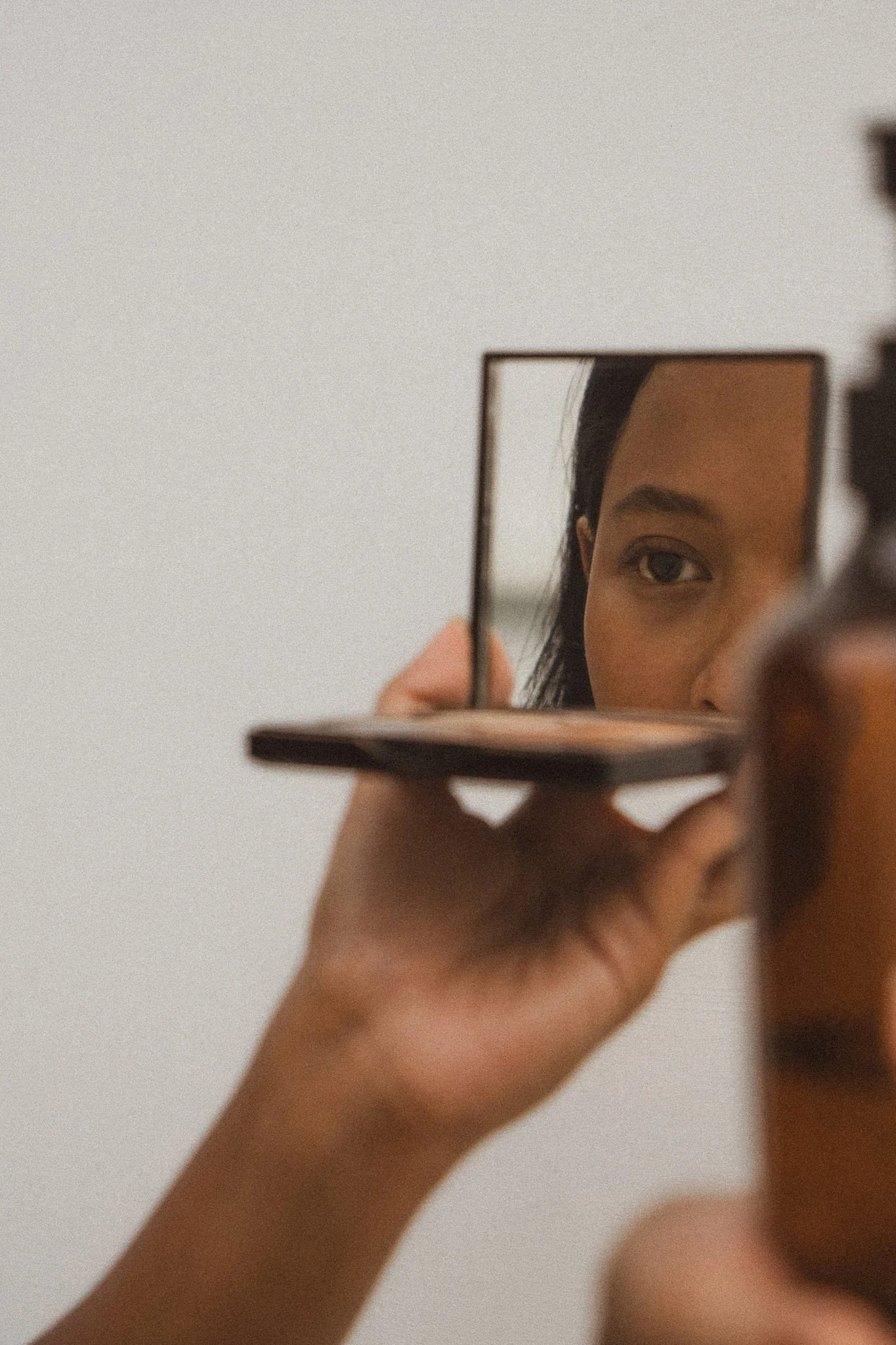
Skin tone is determined by your undertone—the subtle colour beneath the surface of your skin.
Some people have a more golden or yellow undertone, others lean pink or bluish, and some sit somewhere in between.
A simple way to check is to hold something pure white next to your face in natural light. This helps bring out the undertones more clearly.
Another helpful method is to compare how gold and silver look against your skin. If gold seems to bring warmth and brightness to your face, you’re likely warm-toned. If silver feels flatter and sharper, you’re likely cool-toned.
Once you understand this, choosing colours becomes far more intuitive.
Warm Tones
If your skin has a golden or slightly yellow undertone, you likely fall into the warm category.
Clothing in earthy, rich tones—such as rust, deep reds, and warm neutrals—tends to complement your complexion well. These colours work with your natural warmth rather than competing with it.
In more formal settings, this might mean pairing a classic suit with a tie or accessory that adds a subtle warmth, rather than something overly sharp or cool in tone.
Cool Tones
Cool undertones often carry a hint of pink or blue beneath the skin.
For those with cooler tones, colours like deep blue, soft greys, and richer jewel tones—such as emerald or burgundy—can help bring clarity and brightness to the face.
On the other hand, overly warm shades, especially strong yellows or oranges, can sometimes feel out of place against the skin.
Even in more relaxed settings, choosing calm, cooler colours can make a noticeable difference in how put-together an outfit appears.
Neutral Tones
If you find that both gold and silver suit you equally well, you may have a neutral skin tone.
This offers a great deal of flexibility. Most colours will work, allowing you to choose based on preference, setting, and mood.
That said, balance is still important. Extremely bright or overpowering colours can sometimes distract rather than enhance, so it’s worth leaning toward tones that feel cohesive and comfortable.
Choosing with Intention
Understanding your skin tone isn’t about following strict rules.
It’s about making more informed choices—selecting clothing that works with you rather than against you.
When colour, fit, and fabric come together thoughtfully, the result is not something loud or attention-seeking, but something far more lasting: a sense of quiet confidence.
And that’s what truly defines how you present yourself.