
10 Rules For Getting Rid Of Clothes
Written by Claire Zeitler
There’s a quiet frustration that comes with standing in front of a full closet and feeling like you have nothing to wear.
In a Jewish home, clothing isn’t just about style—it’s about dignity, modesty, presentation, and how we show up in the world. But when a closet becomes overcrowded, it stops serving that purpose. It becomes noise.
This isn’t about getting rid of everything. It’s about refining—so that what remains actually supports your life.
Here are ten grounded rules to help you decide what stays and what goes.
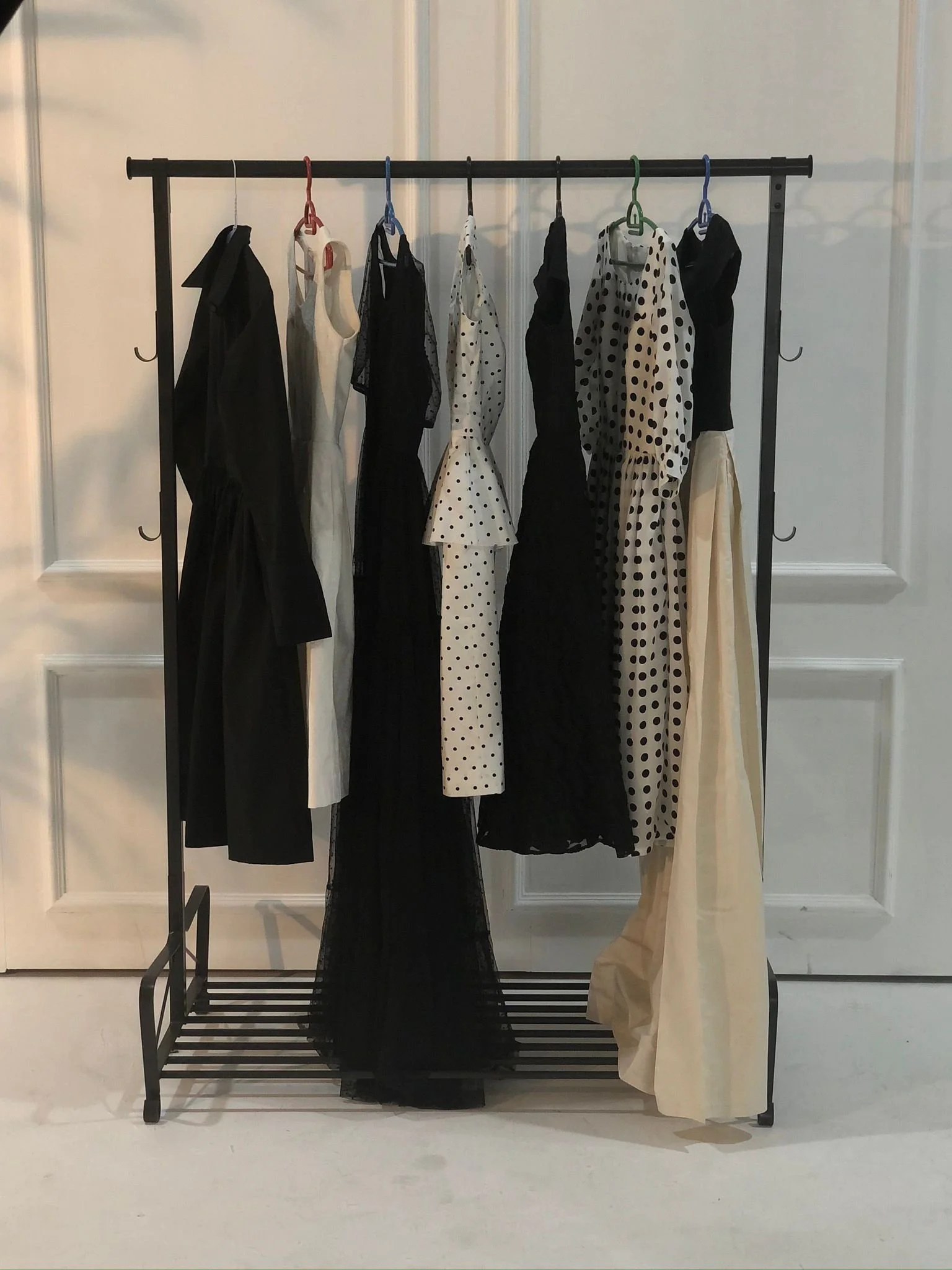
1. Have I worn this in the past year?
If not, it’s time to be honest.
There are exceptions—formalwear, seasonal pieces—but most everyday clothing that hasn’t been worn in a year is simply taking up space. A closet should reflect your real life, not a version of it you’re not living.
2. Does this fit me today?
Not five pounds from now. Not “maybe one day.”
Today.
Clothes that don’t fit carry unnecessary emotional weight. A closet filled with pieces that fit properly makes getting dressed simpler—and far more pleasant.
3. Does this fit my current lifestyle?
Your life evolves, and your wardrobe should follow.
What worked in a different stage—school, a previous job, a different community—may not serve you now. Keep what aligns with how you actually live today.
4. Is it in good condition?
Worn-out, stained, stretched, or broken pieces don’t belong in your daily rotation.
A well-kept home includes well-kept clothing. If it’s not something you would feel comfortable wearing out, it doesn’t need to stay.
5. Can I realistically wear this with other things I own?
A functional wardrobe works together.
If something doesn’t pair with anything else you have, it’s not really part of your wardrobe—it’s an isolated piece taking up space.
6. Do I feel good when I wear this?
This is the rule people tend to ignore—but it matters.
If something technically fits but never feels quite right, you won’t reach for it. Your clothing should make you feel put together, comfortable, and like yourself.
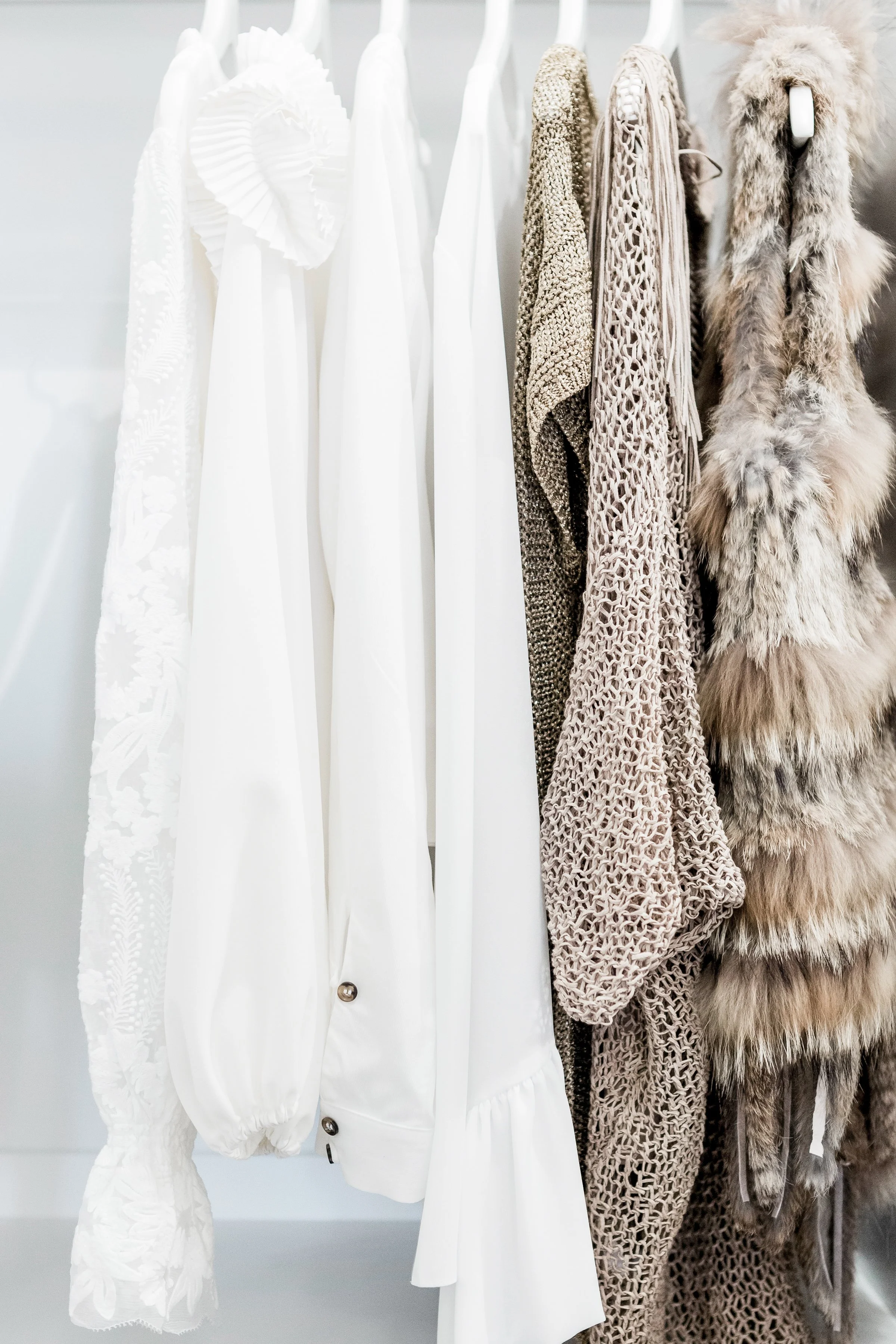
7. Am I keeping this only for the memory?
There are pieces we hold onto because of what they represent.
And while those memories matter, they don’t need to live in your everyday closet. If something is truly meaningful, consider preserving it intentionally—photograph it, repurpose it, or store it thoughtfully.
But don’t let it crowd your daily life.
8. Has this been sitting here with tags on for months (or years)?
Be honest—if you haven’t worn it yet, there’s usually a reason.
It may have seemed like a good idea at the time, but your habits tell the real story. Let it go.
9. Am I keeping this because it might come back in style?
A closet is not an archive.
Holding onto outdated pieces “just in case” creates clutter and makes it harder to see what you actually love and wear now.
10. Is this a one-time-wear piece I’ll realistically never use again?
Bridesmaid dresses, certain formal pieces, event-specific outfits—we all have them.
And most of the time, they don’t get worn again. Keeping them doesn’t make them more useful—it just takes up space.
A Final Thought
Letting go of clothing isn’t about loss—it’s about clarity.
A well-edited closet makes daily life easier. It allows you to get dressed without stress, to feel comfortable in what you wear, and to move through your day with a sense of order.
In a home that values intention, even something as simple as a closet can reflect that.
Keep what serves you. Let go of what doesn’t.Confidence doesn’t always arrive with a bold entrance. Sometimes, it builds quietly, step by step, as we show up for ourselves day after day. It grows when we choose to try, even when we’re unsure of the outcome. Every time you take action despite self-doubt, you reinforce the belief that you’re capable. Confidence isn’t about having all the answers — it’s about trusting that you can figure it out along the way.
The key to making things happen isn’t waiting for the perfect moment; it’s starting with what you have, where you are. Big goals can feel overwhelming when viewed all at once, but momentum builds through small, consistent action. Whether you’re working toward a personal milestone or a professional dream, progress comes from showing up — not perfectly, but persistently. Action creates clarity, and over time, those steps forward add up to something real.
You don’t need to be fearless to reach your goals, you just need to be willing. Willing to try, willing to learn, and willing to believe that you’re capable of more than you know. The road may not always be smooth, but growth rarely is. What matters most is that you keep going, keep learning, and keep believing in the version of yourself you’re becoming.