
How to Properly set a dinner table: A Thoughtful Guide to Hosting with Intention
Written by Miriam Leibermann
There is something deeply meaningful about setting a table.
In a Jewish home, the table is not just where we eat—it’s where we gather, where conversations unfold, where Shabbos is welcomed, where guests are honored. The way a table is set quietly communicates care, presence, and respect for the people sitting around it.
A well-set table doesn’t need to feel complicated or overly formal. It simply needs to feel considered.
Here’s how to set a dinner table in a way that feels both elegant and natural.
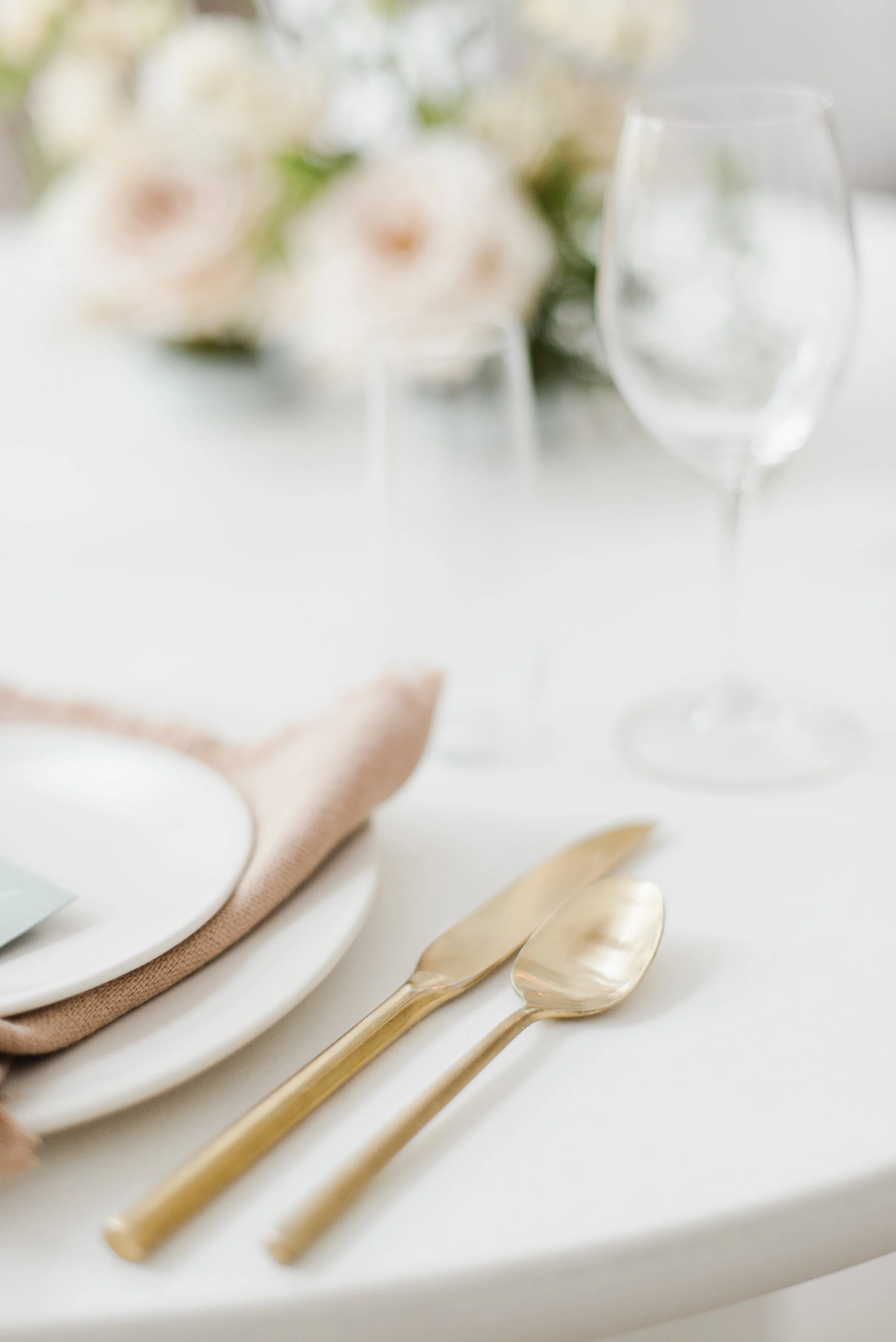
1. Begin with a Clean Foundation
Start with a tablecloth or placemats that suit the occasion.
For everyday meals, something simple and fresh is enough. For Shabbos or hosting, a pressed tablecloth immediately elevates the space. The goal isn’t perfection—it’s creating a sense of order and calm.
2. Place the Dinnerware with Intention
Dinner plate: Centered at each seat
Salad plate: Placed on top if needed
Soup bowl: Set above or brought out when serving
The table should feel prepared, not crowded. Only set what will actually be used.
3. Arrange the Silverware Properly
Forks on the left (salad fork on the outside, dinner fork closer to the plate)
Knife on the right, blade facing inward
Spoon to the right of the knife if needed
There’s a quiet elegance in doing this correctly. It removes confusion and allows your guests to settle in comfortably.
4. Set the Glassware
Water glass above the knife
Additional glasses (wine or otherwise) slightly to the right
Keep it clean and uncluttered. Not every meal needs multiple glasses—only include what’s relevant.
5. Add the Napkin
Napkins can be placed:
To the left of the forks
Centered on the plate
Folded simply—nothing overly complicated
A neatly folded napkin does more than you think. It signals that the meal has been prepared with care.
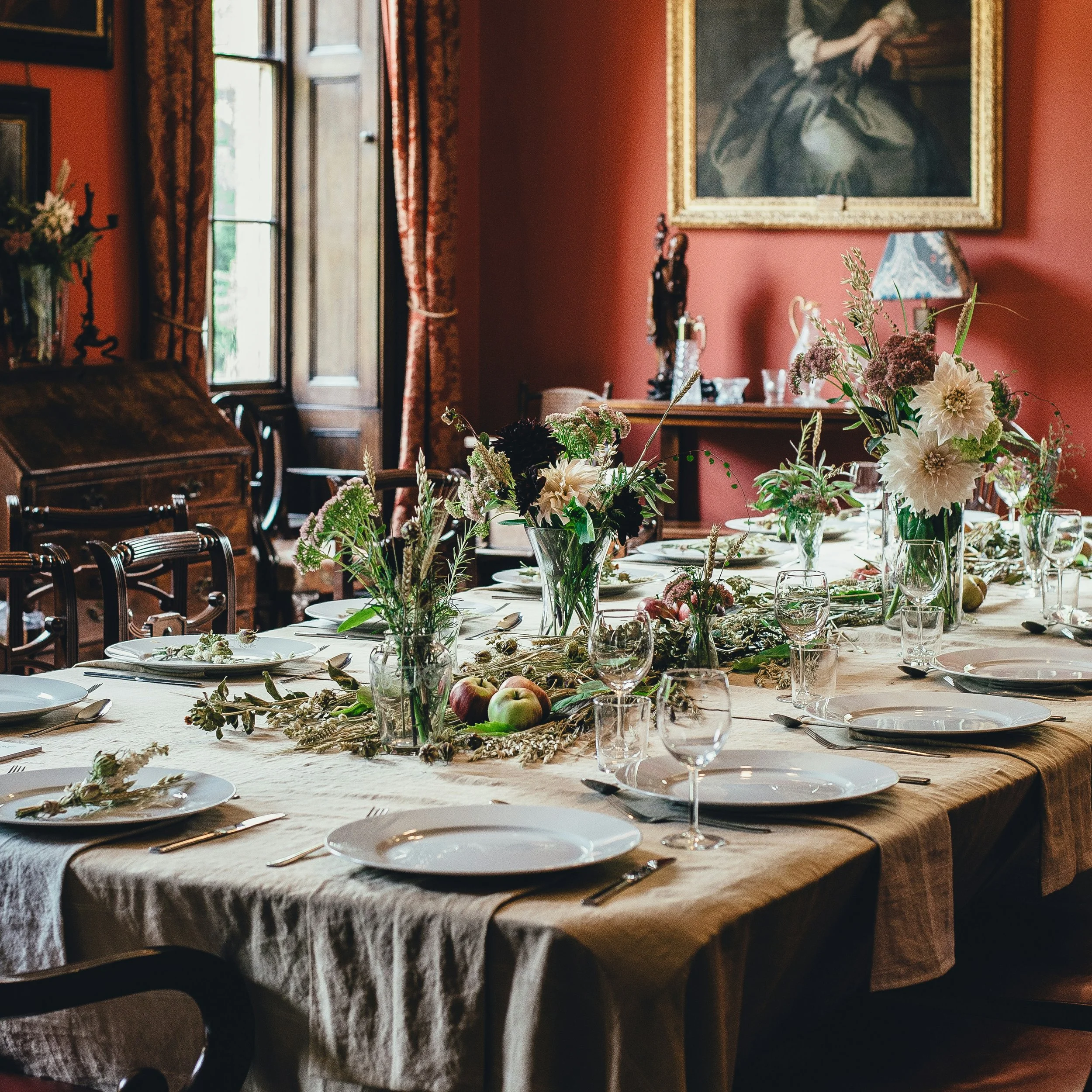
6. Include Bread and Small Details Thoughtfully
If you’re serving bread, place a small bread plate above the forks.
7. Bring in the Atmosphere
A simple centerpiece—flowers, greenery, or something seasonal
Candles (especially for Shabbos or evening meals)
Place cards, if you’re hosting something more formal
Nothing should obstruct conversation. The table should feel open, not staged.
8. Take a Moment for a Final Check
Before guests arrive, step back and look at the table as a whole.
Is it balanced? Is it inviting? Does it feel like a place people would want to sit and stay?
That’s the standard—not perfection, but presence.
A Final Thought
Setting a table is an act of quiet hospitality.
It says: I prepared for you. I made space for you. You are welcome here.
And in a home where meals matter—whether it’s a weeknight dinner or a full Shabbos table—that intention is what people remember mostConfidence doesn’t always arrive with a bold entrance. Sometimes, it builds quietly, step by step, as we show up for ourselves day after day. It grows when we choose to try, even when we’re unsure of the outcome. Every time you take action despite self-doubt, you reinforce the belief that you’re capable. Confidence isn’t about having all the answers — it’s about trusting that you can figure it out along the way.
The key to making things happen isn’t waiting for the perfect moment; it’s starting with what you have, where you are. Big goals can feel overwhelming when viewed all at once, but momentum builds through small, consistent action. Whether you’re working toward a personal milestone or a professional dream, progress comes from showing up — not perfectly, but persistently. Action creates clarity, and over time, those steps forward add up to something real.
You don’t need to be fearless to reach your goals, you just need to be willing. Willing to try, willing to learn, and willing to believe that you’re capable of more than you know. The road may not always be smooth, but growth rarely is. What matters most is that you keep going, keep learning, and keep believing in the version of yourself you’re becoming.