
5 Ways to Be Stylish and Eco-Friendly
Written by Claire Zeitler
Are Your Fashion Choices Contributing to Waste?
When we think about what we wear, we don’t often think about where it ends up.
And yet, each year, an estimated 92 million tonnes of textile waste are created worldwide—a number expected to rise significantly in the coming years. Most of these garments will sit in a landfill for decades, if not centuries.
From a Jewish perspective, this isn’t only a matter of environmental concern. It touches on something deeper—how we relate to what we own. There is a quiet responsibility not to waste, not to treat things as disposable, and to approach even everyday choices with a sense of awareness.
The question is not whether we care about style.
It’s how we align it with intention.
Invest in What Lasts
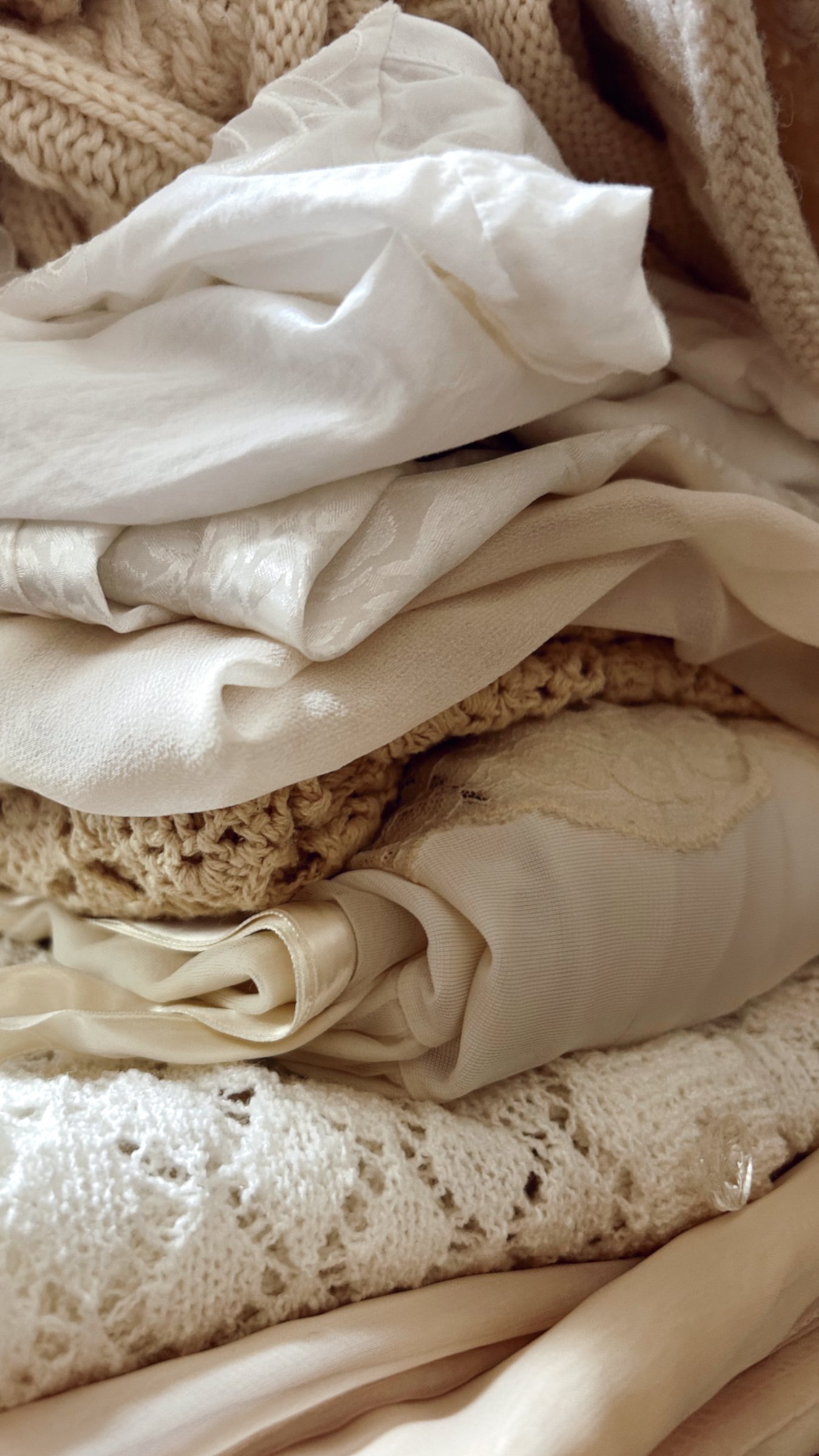
There is something inherently refined about clothing that is made well—and made to last.
Choosing tailored, high-quality pieces over fast, disposable fashion is not only a stylistic decision. It’s a shift in mindset. Instead of constantly replacing, you begin to build.
A well-cut jacket, a properly fitted pair of trousers, a shirt that holds its shape—these are items that stay with you. They can be worn repeatedly, styled differently, and relied upon over time.
It’s a quieter, more considered approach to dressing—and one that naturally reduces excess.
Take Care of What You Own
Clothing that is cared for lasts longer. It’s that simple.
Reading care labels, washing garments properly, and avoiding unnecessary wear all extend the life of what you already have. Not every item needs to be washed after a single wear. Not everything needs to be treated as temporary.
There is a certain mindfulness in maintaining your belongings—an understanding that what you own has value.
And when something has value, you treat it differently.
Choose Better Fabrics
Fabric matters—not only in how something looks and feels, but in how it is made.
Opting for higher-quality materials, including responsibly produced fabrics, means choosing garments that are both more durable and more thoughtfully created.
It’s less about chasing labels and more about understanding what you’re bringing into your home—and onto your body.
Be Thoughtful About Where You Buy
Not all brands operate with the same level of responsibility.
Some prioritize ethical production, fair labor practices, and giving back. Others are built entirely around speed and volume.
Taking a moment to understand where your clothing comes from—how it’s made, and under what conditions—is part of a broader awareness. Supporting companies that act with integrity reflects the same values we try to carry into other areas of life.
Step Away from Constant Trends
Trends come and go quickly—and often encourage buying without much thought.
But most people don’t need a completely new wardrobe every season. In fact, the strongest personal style usually comes from consistency, not constant change.
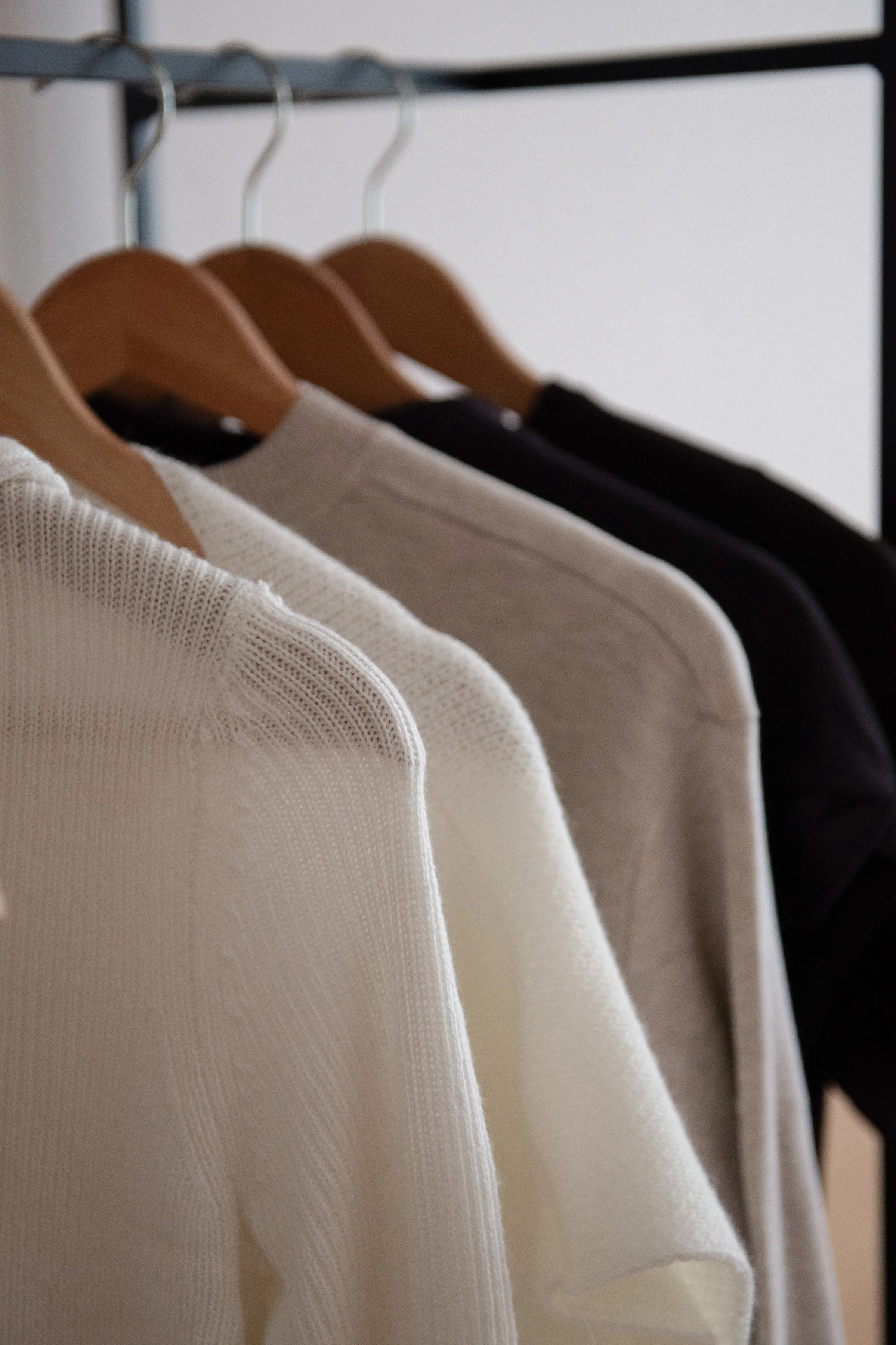
There is something grounding about returning to pieces that always work—a crisp white blouse, a cardigan in a better wool , clothing that suits your life rather than a passing moment.
Choosing timeless over temporary is not restrictive. It’s freeing.
A More Intentional Way to Dress
Style does not need to come at the expense of responsibility.
When you shift from buying more to buying better, from replacing to maintaining, from reacting to choosing—you create a wardrobe that reflects not only how you want to look, but how you want to live.
And that, more than anything, is what gives clothing its meaning.