
100 Years of the Suit
Written by Claire Zeitler
It’s 2026—and after a century of shifting trends, one thing remains unchanged: a high-quality, well-tailored suit still holds its place.
For many men, it’s more than a uniform. It’s what you wear to a meeting, to a simcha, to shul on Shabbos. It carries you through the moments that matter.
As suit connoisseurs, we take the best of what the past century has offered—refined, adapted, and brought forward with intention—while quietly leaving the missteps behind.
So take a moment, settle in, and let’s trace how the suit evolved from the early 1900s to today.

1900s
The Dark Side
At the turn of the century, suiting was grounded in practicality. Dark colours, heavy wools, and thick woven fabrics dominated—not for style, but for durability. Clothes needed to last, and laundering was far less frequent than today.
Silhouettes leaned formal and structured, with four-button jackets and layered waistcoats. There was a certain dignity to it, even if the details feel excessive by modern standards.
1920s
Wear Your Wealth
By the 1920s, fashion loosened its grip on restraint.
As prosperity grew, so did self-expression. Men introduced colour into their shirting and leaned into accessories—tie pins, bars, and small details that signaled refinement.
The spirit of the era carried a certain confidence. Not unlike today, where a well-chosen accessory—a tie, a watch, even a hat—can quietly elevate an otherwise simple look.
1940s & 50s
Uniform, But Refined
Post-war suiting became more tailored, though still not as close-fitting as what we expect today.
There was a sense of uniformity—clean lines, modest colours, and a more understated approach. Lightweight fabrics like rayon began to replace heavier materials, making suits more wearable for everyday life.
It’s a reminder that elegance doesn’t require excess.
1960s
Slimming Down
The 1960s brought a noticeable shift.
Everything became sharper—trousers, lapels, ties. The silhouette narrowed, creating a cleaner, more modern look that still influences tailoring today.
It’s a style that translates easily into contemporary wardrobes, especially for men who want to look put-together without feeling overdone.
1970s
Expression Takes Over
By the 1970s, suiting became far more expressive.
Colour, pattern, and personality all found their place. There was no single “correct” look—only options.
While some of the era's ideas were pushed too far, the underlying idea remains relevant: your clothing should reflect you. Whether that’s through a subtle fabric choice or a slightly bolder piece for a Yom Tov outfit or simcha, there’s room for individuality within structure.
1980s
The Power Suit
The eighties were about presence.
Broad shoulders, strong silhouettes, and pinstripes created a look that projected authority. The “power suit” wasn’t quiet—it was designed to be noticed.
While today’s approach is more refined, the idea still holds: a well-fitted suit should give you confidence the moment you put it on—whether you’re walking into a business meeting or standing among family and friends.
1990s
A Lesson in What Not to Do
The 1990s took a turn toward excess in a different way.
Oversized jackets, overly long trousers, and ill-fitting shirts became the norm. Comfort was prioritized—but without the structure that gives a suit its elegance.
It’s a reminder that ease and polish are not opposites. The right tailoring allows for both.
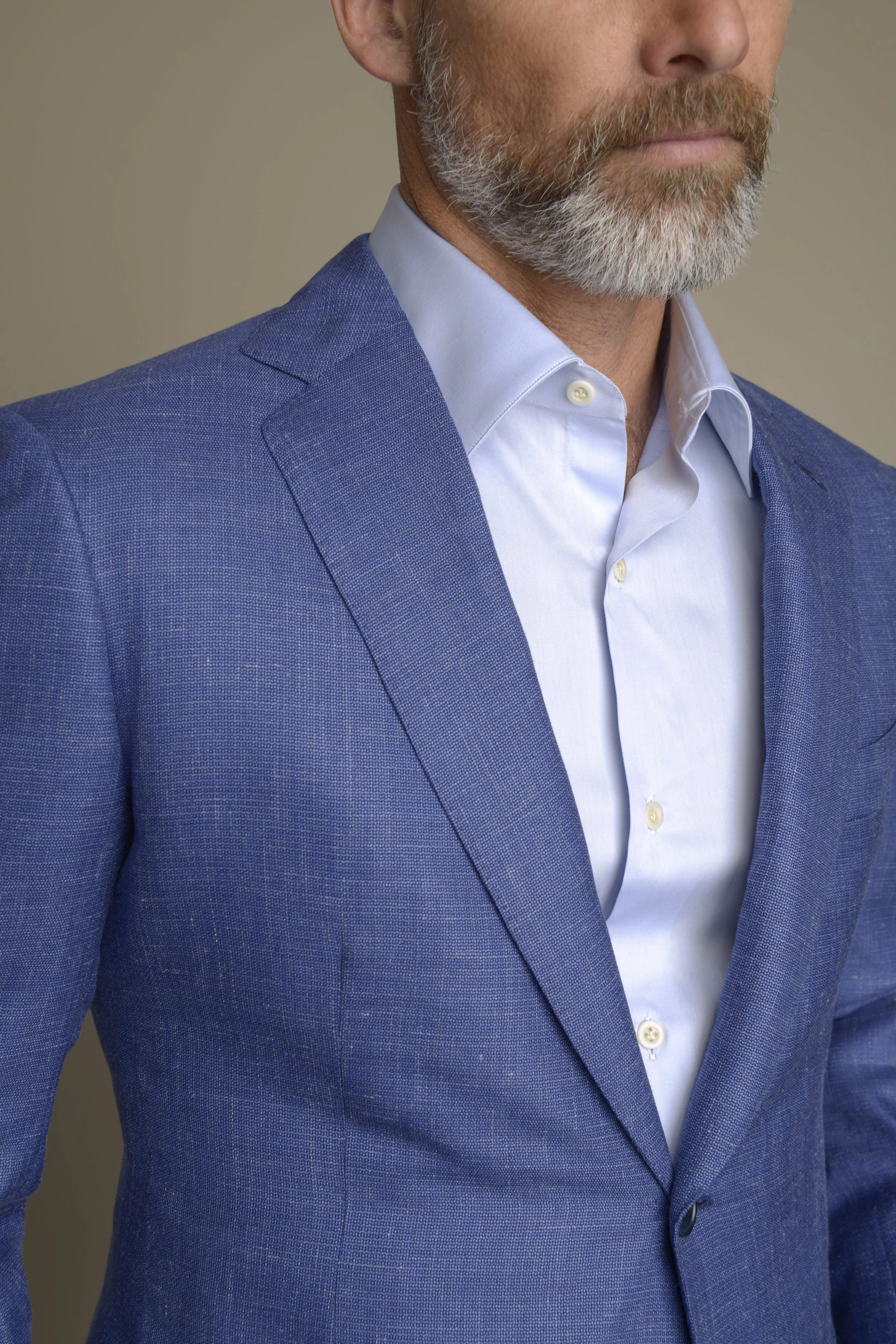
2000s to Today
The Return of Precision
Thankfully, the suit found its way back.
Modern tailoring reintroduced structure—clean lines, proper fit, and an appreciation for fabric. Designers brought back the idea that a suit should enhance, not overwhelm.
Today, the suit is more versatile than ever. It moves easily between formal and relaxed settings. A jacket worn to a wedding can be styled differently for a weekday. A well-cut suit can carry you from davening to a kiddush to an evening event without missing a step.
And yes—paired with the right footwear, even a slightly more relaxed look has its place.
A Suit That Stays With You
Trends will continue to shift.
But a well-made suit—one that fits properly, feels comfortable, and reflects who you are—will always remain.
It’s not just about looking sharp. It’s about showing up with a sense of self-respect and presence, wherever the day takes you.
Because in the end, the best suit is not the one that follows the moment.
It’s the one that carries you through it.