
When Will We Finally Get Up From The Floor? Why Tisha B’Av Still Matters in the Jewish World today
Written by Yitzchak Zeitler
There is perhaps no day on the Jewish calendar more emotionally difficult to connect to than Tisha B’Av.
For many modern Jews, the destruction of the Beis HaMikdash can feel painfully distant — a tragedy from ancient history rather than a living wound. We live in an age of advanced technologies, global travel, modern cities, and unprecedented Jewish prosperity. Baruch HaShem!! In fact, many Jews today have freedoms and comforts our ancestors could scarcely imagine.
So why sit on the floor and mourn a Temple we have never seen? Why fast over stones that fell nearly two thousand years ago? Why continue observing a National Day of Grief in a world constantly pushing us toward entertainment, distraction, and emotional convenience?
The answer is simple:
Because Tisha B’Av is not only about what we lost. It is about what we are still missing. All the examples I gave above engender feelings about physicality but lack what we as Jews desire most: Spirituality, and even more specifically, Dveikus, or Deep Connection to the Master of the Universe.
The Destruction Was Never Just Physical
When the Beis HaMikdash stood in Yerushalayim, the Jewish people experienced something the modern world struggles even to describe: OPEN SPIRITUAL CLARITY!! The Temple was not merely a building. It was the heart of Jewish existence — the meeting place between Heaven and earth. A place where holiness felt tangible. A place where the Divine Presence rested among the Jewish people in a revealed way. Its destruction represented far more than military defeat. It marked the beginning of confusion, fragmentation, exile, and spiritual distance.
And in many ways, those struggles still define modern life. Today, people are more connected technologically than ever before, yet loneliness, anxiety, division, and emptiness continue to rise. The modern Jewish world often wrestles with assimilation, disconnection from tradition, fractured communities, and spiritual exhaustion.
Tisha B’Av reminds us that something foundational remains broken.
We Still Live with Baseless Hatred
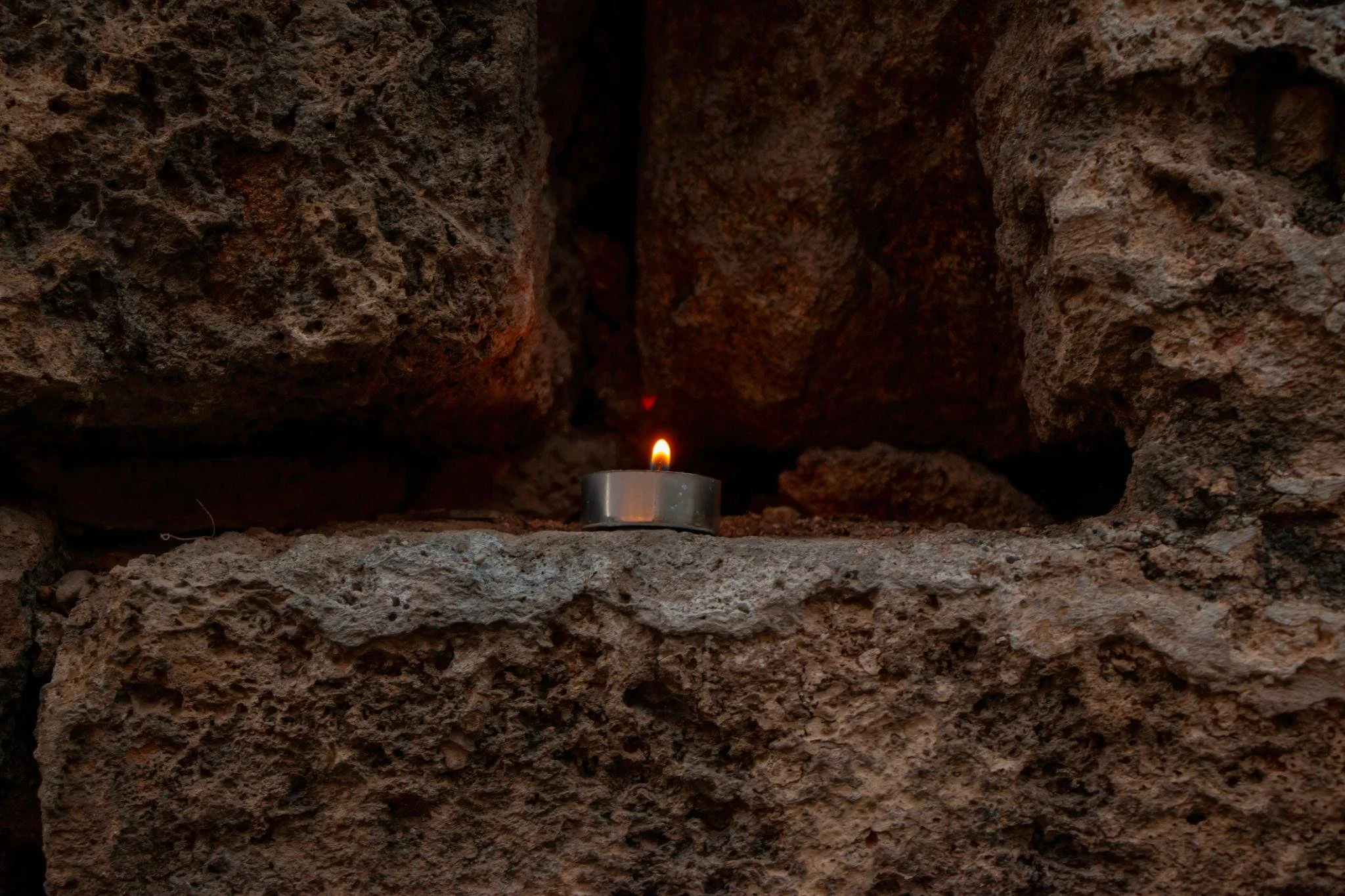
Our Sages teach that the Second Temple was destroyed because of sinas chinam — baseless hatred between Jews. Sometimes, I wish this statement just sounds abstract or overly dramatic. But when we honestly look at modern society, the relevance becomes painfully obvious. I’m not here to get into politics or delve into the issues that further divide us. However, Jews today are divided across religious lines, political affiliations, cultural identities, and ideological camps. Conversations quickly become hostile. Social media rewards outrage more than understanding. Disagreement often turns into humiliation.
The tragedy is not merely that Jews disagree. The tragedy is how easily dignity disappears in the process. I personally have all but removed myself from social media because I felt that, beyond the fact that it only detracted from my Avodas Hashem, it also didn’t bring out the best version of myself, and that there are much better ways of spending my time that connect me with Hashem in a more appropriate light.
We all think that through sharing our opinions on social media, this will somehow change the situation in our favor. Of course it won’t. Hashem runs the world!! And if we just realized that more and more, and that our efforts are really for naught, then really these issues would possibly work themselves out.
Tisha B’Av forces us to confront an uncomfortable truth: the destruction of Jewish unity did not begin with enemies outside our walls. It began within them. And until unity is rebuilt, redemption remains not just incomplete, but seemingly as far away as ever.
The Modern World Has Not Removed Spiritual Exile
One of the great misconceptions of contemporary Jewish life is the idea that physical success automatically equals spiritual fulfillment. In fact, far from it. Yes, the Jewish people have rebuilt flourishing communities. Yes, we have witnessed extraordinary miracles in Jewish history. Yes, Jewish creativity and achievement continue to shape the modern world.
But material success alone cannot heal spiritual exile. A person can have comfort and still feel disconnected. A community can have wealth and still feel spiritually adrift. A generation can have information and still lack wisdom.
Tisha B’Av invites Jews to slow down long enough to acknowledge the emptiness we often try to ignore for the rest of the year.
It asks difficult questions:
What does a truly holy society look like?
What have we normalized that should trouble us?
Have we become emotionally numb to suffering?
Are we building Jewish homes rooted in eternity or merely convenience?
What kind of world are we creating for the next generation?
And most importantly:
“What do we as individuals need to work on to better contribute as members of this society?”
These are not ancient questions. They are painfully modern ones that we must stop ignoring. I feel like many of us ask ourselves these questions already every year, but I guess old habits die hard. I myself am no stranger to this reality.
Mourning Creates Emotional Honesty
Modern culture often avoids grief at all costs.
We distract ourselves constantly — through screens, noise, work, entertainment, and endless busyness. But Judaism understands something deeply human: what we refuse to mourn eventually weakens us spiritually.
Tisha B’Av creates sacred space for sadness.
Not despair, not hopelessness.
But honesty.
The day gives Jews permission to acknowledge brokenness — both personal and collective. It reminds us that faith does not require pretending everything is fine. Some losses deserve tears. Some absences should ache. And paradoxically, that mourning becomes the beginning of healing.
Because people who can still cry over holiness have not lost their connection to it.
Tisha B’Av Is Also About Hope
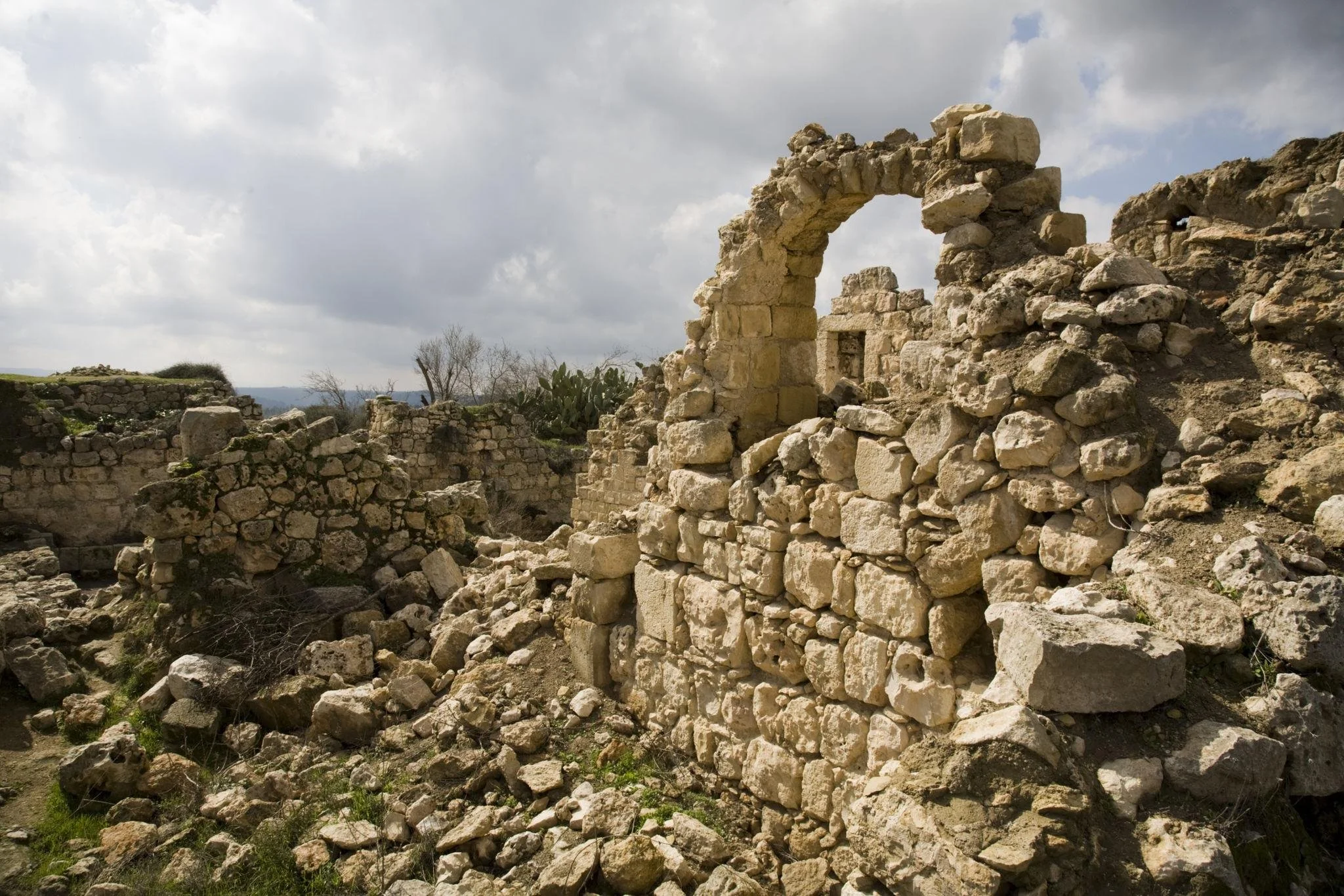
Hidden beneath the sorrow of Tisha B’Av is one of Judaism’s most radical ideas: that redemption can emerge from destruction. Jewish history itself is proof. But this proof is only real if we do something about it and not wait for HaShem to decide it for us, and often not in pleasant ways.
Empires that destroyed us vanished long ago. Yet the Jewish people survived. Torah survived. Shabbos survived. Jewish identity survived. Again and again, the Jewish people rebuilt from ashes. This is why Tisha B’Av is not simply a historical memorial. It is a declaration of spiritual resilience.
The mourning teaches us that brokenness is never the final chapter. In fact, according to Jewish tradition, Mashiach himself is connected to Tisha B’Av — a powerful reminder that the seeds of redemption are planted precisely within moments of darkness.
Why Young Jews Especially Need Tisha B’Av
Many younger Jews today are searching for meaning beyond superficial culture. They crave authenticity. Depth. Purpose. Spiritual honesty. And ironically, Tisha B’Av offers all three.
In a world obsessed with comfort and self-expression, Tisha B’Av teaches responsibility, memory, humility, and collective identity. It reminds young Jews that they are part of something ancient, eternal, and larger than themselves. The day anchors Jewish identity not merely in celebration, but in shared memory.
Without memory, identity weakens.
Without mourning, gratitude disappears.
Without understanding what was lost, it becomes difficult to know what we are trying to rebuild.
The Question Tisha B’Av Asks Every Jew
Ultimately, Tisha B’Av asks every Jew one profound question:
Do you believe the world can become holier than it currently is?
If the answer is yes, then Tisha B’Av matters.
Because mourning the Beis HaMikdash means refusing to accept spiritual emptiness as normal. It means believing humanity is capable of greater compassion, greater holiness, greater unity, and greater closeness to HaShem. The fast is not only about the past. It is about longing for a better future.
Final Reflection
Perhaps the reason Tisha B’Av still resonates so deeply is that every generation experiences destruction in its own way.
Sometimes the ruins are physical.
Sometimes emotional.
Sometimes spiritual.
And yet the Jewish response remains the same:
We mourn.
We remember.
We rebuild.
Maybe it’s about time we took the initiative, conquered that third step, and finally rebuilt our nation.
This is why Tisha B’Av still matters in the modern Jewish world. Not because Jews are trapped in the past. But rather because we still believe redemption is possible.