
The Difference Between the 17th of Tammuz and Tisha B’Av
Written by Yitzchak Zeitler
Every year, the Jewish calendar guides us through moments of joy, reflection, gratitude, and mourning. Among the most emotionally powerful periods in the Jewish year is the Three Weeks, known in Hebrew as Bein HaMetzarim. This period begins with the fast of the 17th of Tammuz and culminates with Tisha B’Av. Although both dates are associated with tragedy and mourning, many people wonder:
What exactly is the difference between the 17th of Tammuz and Tisha B’Av?
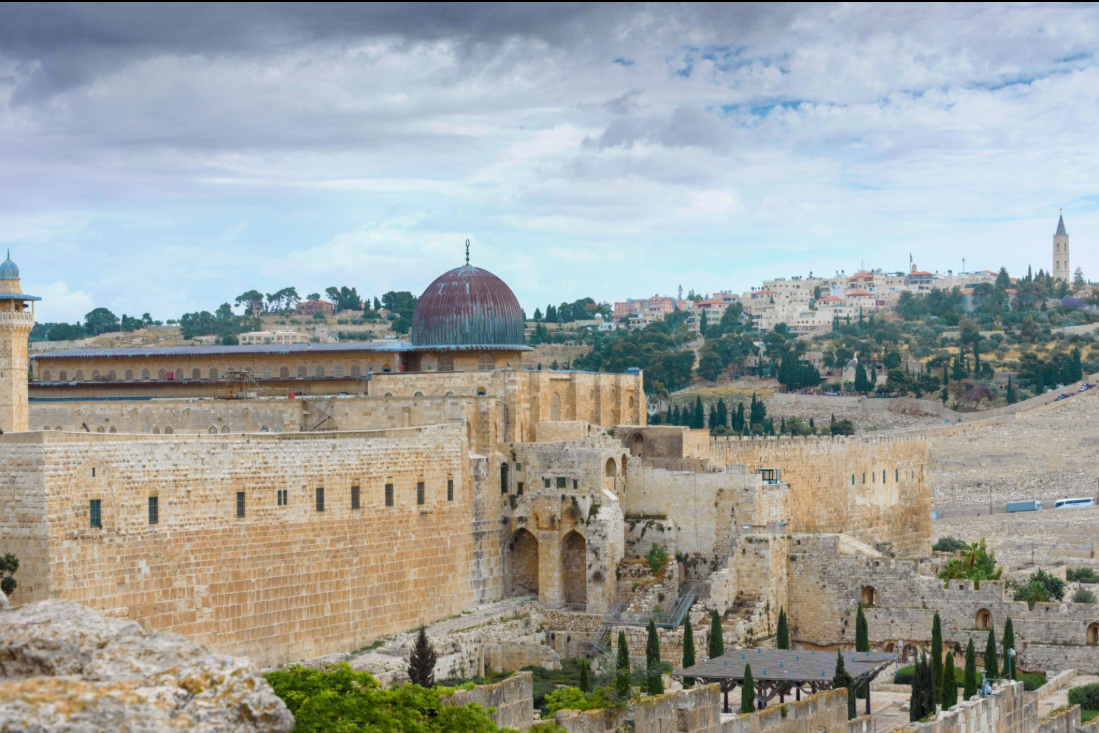
The answer lies in their historical significance, level of mourning, halachic observance, and spiritual purpose. While the 17th of Tammuz marks the beginning of national mourning, Tisha B’Av represents the peak of Jewish grief and reflection over the destruction of the Beis HaMikdash and other tragedies throughout Jewish history. Understanding the distinction between these two fast days can help deepen our appreciation for the Three Weeks and inspire greater spiritual growth during this important time.
Part #1 - What Is the 17th of Tammuz?
The 17th of Tammuz is a minor fast day that commemorates several tragic events in Jewish history. It marks the beginning of the Three Weeks, a period of mourning leading up to Tisha B’Av.
According to the Mishnah, five calamities occurred on this day:
1. Moshe Rabbeinu broke the first tablets after the sin of the Golden Calf.
2. The daily korban tamid offering ceased during the siege of Jerusalem.
3. The walls of Jerusalem were breached before the destruction of the Second Temple.
4. Apostomos burned a Torah scroll.
5. An idol was placed in the Beis HaMikdash.
The breach of Jerusalem’s walls became especially symbolic. Once the walls were broken, the destruction of the city became inevitable. Spiritually, the 17th of Tammuz represents the beginning of collapse. It is a day meant to awaken the Jewish people to introspection and teshuvah.
Part #2 - What Is Tisha B’Av?
Tisha B’Av, observed on the 9th day of the Hebrew month of Av, is considered the saddest day on the Jewish calendar.
This major fast commemorates numerous tragedies, and most notably the following, listed in the Mishnah:
The decree following the sin of the spies in the wilderness
The destruction of the First Beis HaMikdash
The destruction of the Second Beis HaMikdash
The fall of Beitar during the Bar Kochba revolt
The plowing over of Jerusalem by the Romans
Throughout history, many additional tragedies have also occurred around Tisha B’Av, including expulsions, persecutions, and catastrophic suffering experienced by the Jewish people. If the 17th of Tammuz represents the breach, Tisha B’Av represents the destruction itself.
The simplest way to understand the difference is this:
The 17th of Tammuz marks the beginning of tragedy.
Tisha B’Av marks the culmination of tragedy.
The 17th of Tammuz focuses on spiritual cracks forming within the Jewish people. Tisha B’Av focuses on the devastating consequences that followed. One day starts the mourning process. The other brings it to its emotional peak. This distinction is reflected in the laws and customs observed on each day. The 17th of Tammuz is a Minor Fast, meaning that the fast lasts from dawn until nightfall.
Although it is a serious and meaningful fast day, its restrictions are relatively limited compared to Tisha B’Av. Eating and drinking are prohibited, but many regular activities continue.
After the fast begins the Three Weeks, during which many Jews avoid:
Weddings
Live music
Haircuts
Swimming
Certain celebrations
The atmosphere becomes more subdued, but normal daily life largely continues.
Tisha B’Av Is a Major Fast, which means that the fast lasts approximately 25 hours, similar to Yom Kippur, beginning before sunset and ending after nightfall the next day. The mourning practices are significantly stricter and resemble aspects of mourning for a close relative.
On Tisha B’Av, Jews refrain from:
Eating and drinking
Washing for pleasure
Wearing leather shoes
Applying lotions or perfumes
Marital relations
Additional mourning customs include:
Sitting on low chairs
Dimming lights in the synagogue
Reading Megillas Eichah
Reciting kinos
Avoiding greetings and casual conversation
While the emotional intensity of Tisha B’Av is much greater because it commemorates the actual destruction of the Beis HaMikdash and the exile of the Jewish people, the 17th of Tammuz teaches an important lesson:
Destruction does not happen instantly.
The walls of Jerusalem were not breached overnight. Spiritual decline began long before physical destruction occurred. This fast day encourages Jews to examine the “small breaches” in their own spiritual lives before they become larger problems.
It reminds us that:
Neglecting Torah learning has consequences.
Baseless hatred damages unity.
Spiritual complacency weakens Jewish identity.
Small compromises can eventually lead to larger losses.
The 17th of Tammuz is therefore a wake-up call. Tisha B’Av carries a different emotional and spiritual tone. Rather than warning about decline, Tisha B’Av forces us to confront loss directly.
On this day, Jews mourn:
The loss of the Beis HaMikdash
The absence of the Divine Presence in its fullest revealed form
Jewish suffering throughout exile
National disunity
Spiritual distance from HaShem
Yet Tisha B’Av is not meant to produce despair. Chazal teach that Mashiach is born on Tisha B’Av, hinting that redemption can emerge from the deepest darkness. The mourning itself is intended to awaken yearning for rebuilding, healing, and spiritual restoration.
The period between the 17th of Tammuz and Tisha B’Av is not merely historical remembrance. It is a process. The Three Weeks gradually intensify mourning practices because spiritual awareness often develops gradually.
The progression looks like this:
1. The 17th of Tammuz begins the mourning.
2. The Three Weeks create growing reflection.
3. The Nine Days intensify the atmosphere further.
4. Tisha B’Av reaches the emotional climax.
This structure allows Jews to move from awareness to introspection and ultimately toward hope for redemption.
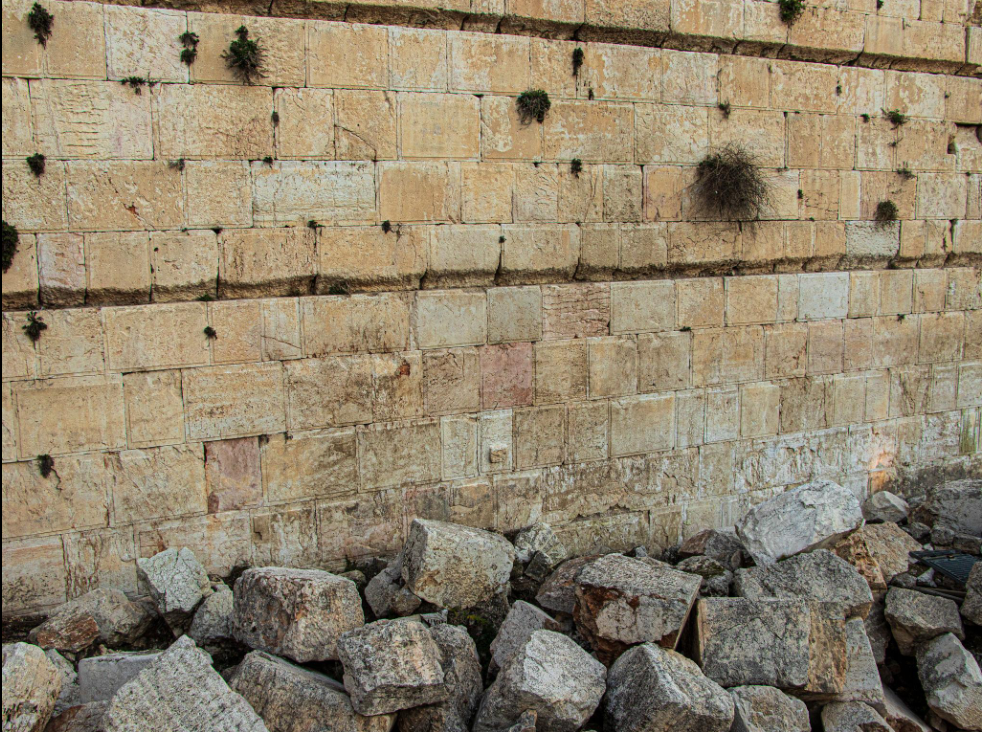
Some people struggle to connect emotionally to events that happened thousands of years ago. However, the messages of these fast days remain deeply relevant. The Jewish people still experience division, spiritual struggles, and uncertainty. The themes of unity, faith, repentance, and rebuilding are timeless.
The 17th of Tammuz reminds us to address problems before they grow worse. Tisha B’Av reminds us what can happen when spiritual and communal fractures are ignored.
Together, these days encourage every Jew to strengthen their Avodas HaShem with special focus on:
Torah learning
Ahavas Yisrael
Prayer
Emunah
Commitment to Jewish continuity
Instead of viewing the Three Weeks only as a period of restriction, many people choose to transform it into a time of spiritual growth.
Some meaningful practices include:
Learning about the Beis HaMikdash
Increasing acts of kindness
Working on patience and unity
Reducing distractions
Spending extra time in prayer
Reflecting on personal growth areas
The mourning customs are not ends in themselves. They are tools meant to awaken the heart. The difference between the 17th of Tammuz and Tisha B’Av is both historical and spiritual. The 17th of Tammuz marks the breach — the beginning of destruction and the warning signs of spiritual decline. Tisha B’Av marks the devastation itself — the destruction of the Beis HaMikdash, exile, and Jewish suffering.
Together, these days frame the Three Weeks as a journey from warning to mourning, and ultimately toward hope and redemption. By understanding the unique role of each fast day, Jews can approach this season not only with sadness, but also with renewed purpose, unity, and longing for the rebuilding of Yerushalayim.