
The Art of Living With Art
Written by Miriam Leibermann
There’s a particular feeling you get when you walk into a room and pause—just for a moment—and think, this is beautiful.
It’s not only the furniture. It’s not even only the art. It’s the quiet interplay between the two—the intangible energy of a space paired with the very tangible choices that shape it.
In recent years, and especially during the time we spent more closely within our homes, people began to look at their spaces differently. What once felt functional began to feel incomplete. There was a growing desire—not just for comfort—but for beauty, meaning, and a sense of self reflected in the walls around us.
And naturally, art found its way in.
A More Personal Relationship with Art
There was a time when art felt reserved—something for galleries, collectors, or the particularly well-versed. That notion has quietly dissolved.
Today, art is far more personal. It’s not about status; it’s about expression.
A single piece can shift the entire atmosphere of a room. It can anchor a space, introduce warmth, or spark conversation without ever asking for attention. More than anything, it allows a home to feel lived in—not just styled.
But choosing art can feel overwhelming.
As Aanchal Gulati, Founder of Vandervin Arts, puts it simply: “Art is so subjective… buy what speaks to you.”
And that’s really where it begins.
Walk through a gallery. Browse slowly. Notice what you return to—not what you think you should like, but what quietly holds your attention. Often, the right piece doesn’t need justification. It simply feels like it belongs.
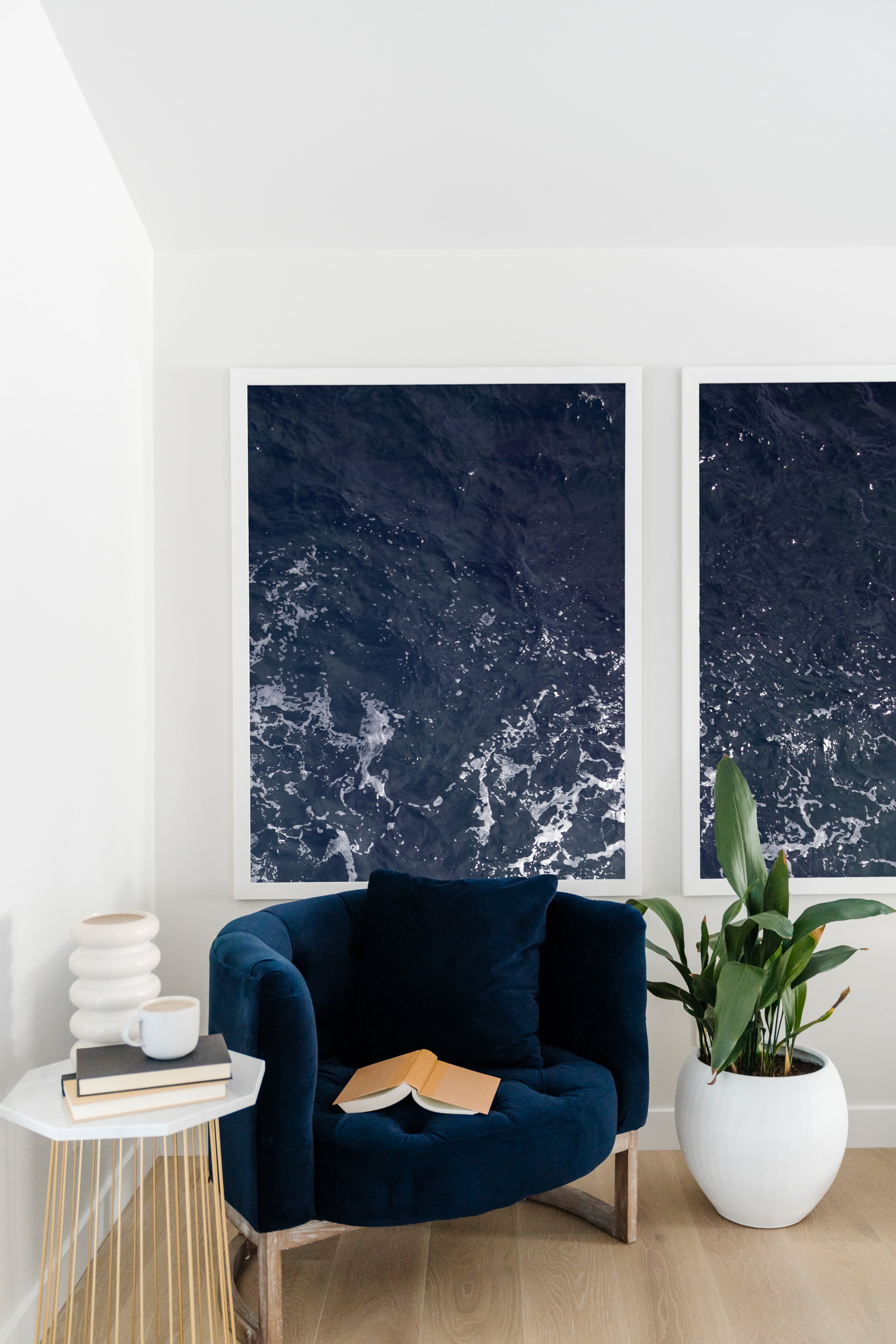
Colour, Mood, and the Way We Live
Long before design became trend-driven, people understood the emotional language of colour.
What we now refer to as colour therapy—chromotherapy—has existed for centuries across cultures, from Egypt to Greece to India. While the science may be debated, the experience is undeniable: colour affects how we feel.
The tones we choose for our homes don’t just reflect taste; they shape atmosphere.
A room filled with light, warm hues—soft pinks, gentle yellows, muted corals—can feel uplifting, almost quietly joyful. Deeper, more saturated tones bring intensity and energy, while cooler shades like blue and green create a sense of calm that feels almost instinctive.
But perhaps the most important principle is this:
colour is personal.
What soothes one person may overwhelm another. What energizes one home may feel out of place in another. Trends can guide, but they should never dictate. Your home should feel like yours—not a replication of someone else’s idea of beauty.
Designing with Intention, Room by Room
Every space in a home carries its own rhythm, and the art within it should support that.
The Office
Whether at home or elsewhere, a workspace benefits from clarity and focus. Art here should feel intentional—pieces that inspire movement, thought, and productivity without overwhelming the senses.
The Bedroom (and Bathroom)
These are spaces of retreat. Softer palettes, minimal compositions, and gentle textures allow the room to breathe. The goal isn’t to impress—it’s to unwind.
The Living Room
This is where life happens. Conversation, hosting, laughter. Art in this space can be more expressive—layered, playful, even unexpected. It doesn’t need to be safe; it needs to feel alive.
The Kitchen
Often overlooked, but deeply central. A small piece here—something warm, vibrant, or quietly joyful—can subtly shift the energy of a space that is, at its core, about creation and care.
A Home That Evolves
There’s a quiet misconception that a home should feel “finished.”
But the most beautiful homes rarely are.
They evolve—slowly, thoughtfully. Pieces are collected over time, not all at once. Some are chosen deliberately; others are stumbled upon unexpectedly. Each addition carries a story, a memory, a moment.
Art consultants can help navigate the process, especially when the options feel endless. But even then, the goal is never perfection—it’s alignment.
Because ultimately, a home is not a showroom.
It is a reflection.
And the art within it should not simply match the space—it should deepen it.