
Rolls-Royce: A Drive Through Time
The name Rolls-Royce exudes luxury and refinement in every sense of the word. With a stature that is second to none in the automobile world, here is a lowdown on the magnificent history of the brand at the pinnacle of automobile excellence
When Charles Rolls travelled to Manchester to meet Henry Royce, little did he know that he was about to embark on a journey that would see Rolls-Royce become the world’s leading manufacturer of luxury automobiles. The pair’s paths could not have been more different— Rolls was raised with the privileges of a royal family, studying at Eton and then at Trinity College, Cambridge. By the time he left university, he was an enthusiastic and accomplished motorist— a pioneer at a time when most people thought that motoring was just a fad that would soon pass.
Royce was a gifted youngster whose natural talent for engineering had landed him a job with the Electric Light and Power Company in London. At 21, he started his own business with a friend, initially manufacturing small electrical equipment before taking his company public in 1894. Expanding production, Royce decided to develop his own car and fitted it with a 10hp engine. Having driven Royce’s car, Charles Rolls was hugely impressed and agreed to sell all the cars that Royce could build. More than a hundred years later, the brand the duo lent their names to is a symbol synonymous with the very best.
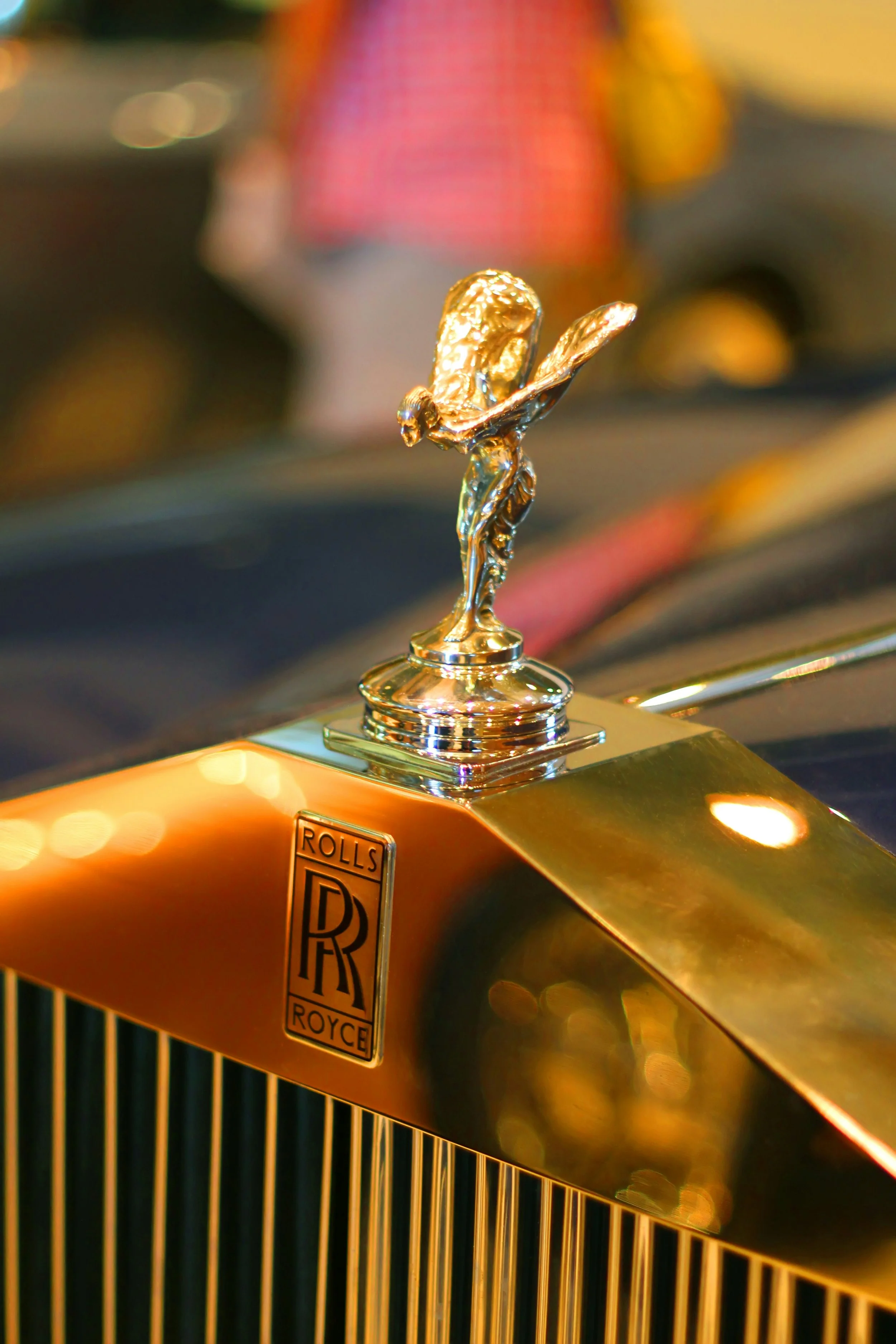
1904 – 1914: The Company tested the waters by introducing its first models in the market. Pioneering the idea of using multiple cylinders, the company’s two, three, four, and six-cylinder cars were instant successes. The 40/50, later developed into the Silver Ghost, set new records for refinement and reliability. The Spirit of Ecstasy, the instantly recognizable symbol of Rolls-Royce, also debuted in 1911.
1914 – 1924: The First World War drew Rolls-Royce in, and the Company decided to design its own aircraft engines. Before long, these engines were also renowned for their exacting standards. Rolls-Royce also produced armoured cars for the war effort that were praised for their extreme ruggedness.
1924-1934: The Bentley brand was breaking speed records in the 1920s, but was in poor financial health. Rolls-Royce bought the ailing Bentley brand and produced the “Silent Sports Car”, unifying agility with luxury. Rolls-Royce engines also powered the world land, air, and sea speed records during this time.
1944 – 1954: Following the Second World War, the company introduced standard steel in its cars. Abandoning the bespoke nature of their products, Rolls-Royce began manufacturing complete cars rather than just chassis. A new eight-cylinder engine was used in an experimental Bentley Mk V, nicknamed the “Scalded Cat” owing to its exceptional performance.
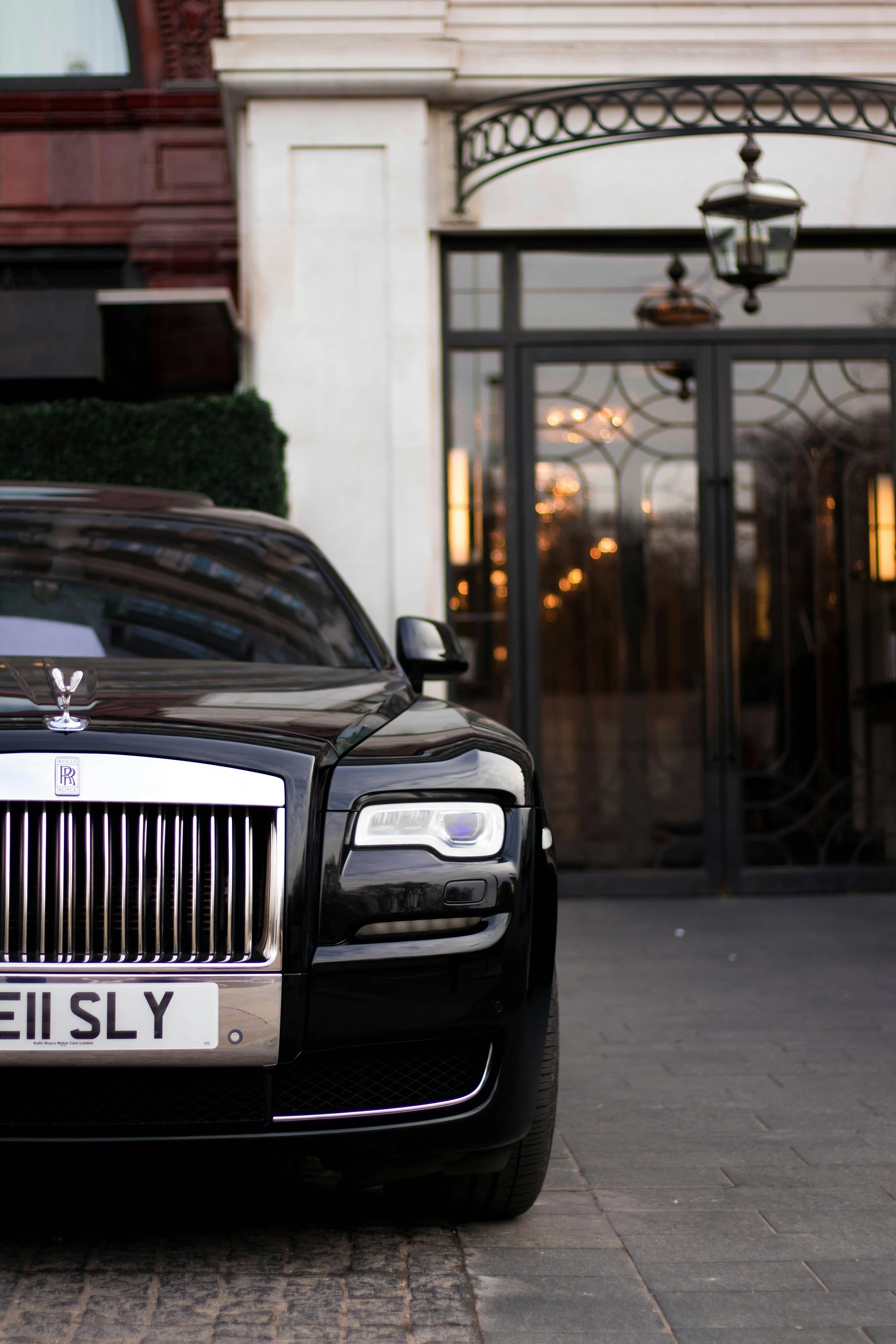
1954-1964: The Silver Cloud was launched in 1955, with newer versions debuting in 1959 and 1962. In a major policy shift, Rolls-Royce decided to sell the Phantom to anyone with the money, rather than just heads of state and royal families. One of the more famous examples is the Phantom of John Lennon from the Beatles, with swirling psychedelic designs and a bright yellow paint job.
1964-1974: Rolls-Royce caused a flutter in the automotive industry with the launch of the Silver Shadow— a car far ahead of its time. The first Rolls-Royce with a monocoque chassis came with a mind-boggling array of luxury options, including electrically operated switches for every possible function. The car went on to become one of the best-selling Rolls-Royce models ever.
1974 – 1984: The next iteration of the Silver Shadow continued its stellar run. Rolls-Royce launched the Camargue, the first car not to be designed in-house. It was designed by Pininfarina, the legendary design house, and cost more than twice as much as the Silver Shadow. With a modified suspension and a brand new exterior, the car was a big step forward for Rolls-Royce.
1994 – 2003: Rolls-Royce engines powered the Thrust SSC to a blistering 763.04 mph through the Black Rock Desert in Nevada. To date, the Thrust SSC remains the only manned vehicle to have traveled on land faster than the speed of sound. In July of 1998, the Rolls-Royce marque was acquired by the BMW Group. Starting from scratch, a brand new factory was constructed at Goodwood, Sussex. The design team worked at a secret location near Hyde Park in London and created an entirely contemporary design with styling features that made the car unmistakably a Rolls-Royce, with over 100 years of history.
2003 – present: Rolls-Royce has consolidated its presence at the pinnacle of automobile luxury through its flagship model, the Phantom. The Phantom’s leading-edge technology permeates every sphere of the car, from the aluminum space-frame construction to performance figures that would put a sports car to shame. As Rolls-Royce unveils the Phantom VIII this year, the dream of making the world’s best car is well and truly alive.
The future: Being able to drink champagne from a refrigerator while driving through deep snow, 21 inches of water, or sand dunes is not an automotive experience many people would have dreamt of. Then again, Rolls-Royce has always been known for pushing the boundaries. The all-new Cullinan, the company’s first SUV, delivers bespoke luxury and the famous “magic carpet” ride quality even in the harshest terrain. Best of both worlds was never this enticing.